Blogs
Custom T-Shirts with Low Minimums | Tangibal Sports
Where to Order Custom T-Shirts with Low Minimums Worldwide T-shirts remain one of the most
Complete Guide for Quality and Comfort
Choosing the right T-shirt fabric is essential for comfort, durability, and long-term performance. Many buyers focus on design but overlook the importance of fabric quality in T-shirt production. The material directly affects softness, breathability, color retention, and overall garment lifespan. In the competitive European apparel and B2B clothing market, understanding different T-shirt fabric types such as cotton, polyester, and blended fabrics helps businesses and buyers make better sourcing decisions. This guide explains the most popular T-shirt materials to help you select high-quality fabrics for fashion, activewear, and sportswear collections.
The market offers a wide range of T-shirt fabric types, and each fabric delivers specific performance benefits. Designers and manufacturers select fabrics based on durability, comfort, cost, maintenance, and sustainability. In modern T-shirt production, fabric choice directly impacts product quality, brand positioning, and customer satisfaction. Instead of treating fabric as just a style element, brands now use it as a strategic factor in garment performance and long-term value.
Manufacturers use several popular fabrics in T-shirt manufacturing, and each material serves a different purpose. Some fabrics focus on breathability and comfort, while others enhance durability and moisture control. Understanding these T-shirt material options helps brands, wholesalers, and buyers choose the right fabric for fashion wear, activewear, or promotional clothing.
Cotton T-shirt fabric remains one of the most popular choices in T-shirt production due to its natural softness and breathability. Cotton materials such as pure cotton, Egyptian cotton, Pima cotton, and Supima cotton are widely used in premium apparel manufacturing. Cotton offers excellent moisture absorption, skin-friendly comfort, and lightweight performance, making it ideal for summer wear and everyday clothing collections in the European market.
Many consumers prefer cotton T-shirts over synthetic materials because cotton delivers natural softness and breathability. Manufacturers produce different cotton varieties, including pure cotton, Egyptian cotton, Pima cotton, and Supima cotton. Cotton absorbs moisture effectively and allows air to circulate, which keeps the body cool in hot weather. These qualities make cotton one of the most popular choices in casualwear and summer apparel collections.
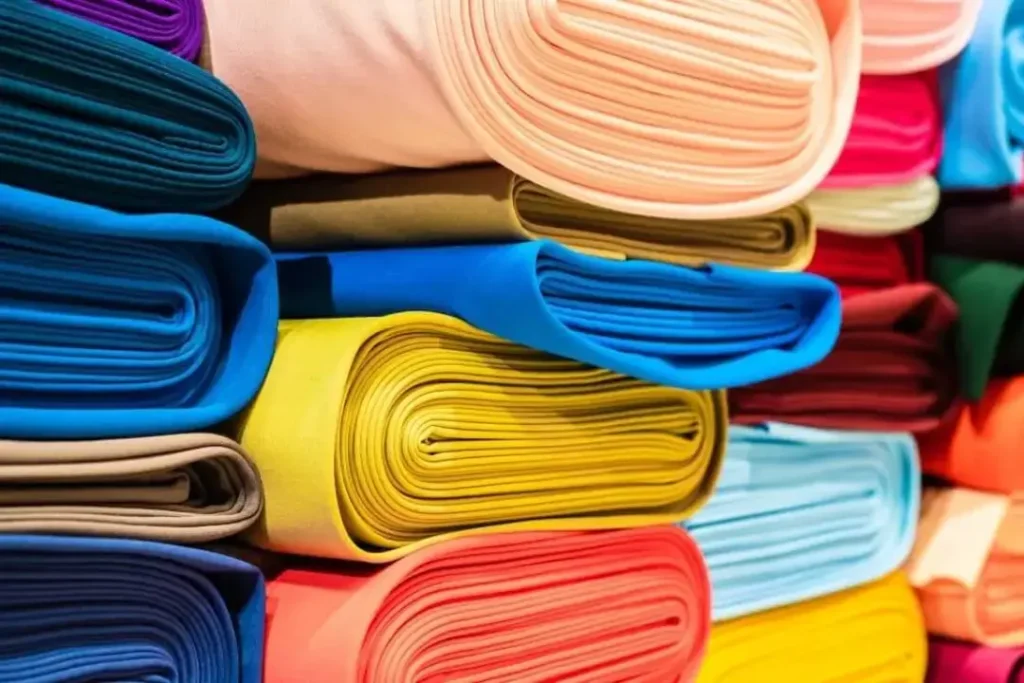
Cotton offers excellent comfort, breathability, and moisture absorption, which makes it ideal for everyday wear. However, cotton may shrink after washing if manufacturers do not pre-treat the fabric. It can also fade faster than some synthetic materials. Additionally, conventional cotton farming may raise environmental concerns, although organic cotton provides a more sustainable alternative.
Cotton delivers natural softness, high absorbency, and strong breathability, which makes it ideal for sportswear, casualwear, and workwear collections. Many European B2B apparel brands choose cotton when they target comfort-focused and summer clothing lines.
Manufacturers rely on polyester for its strength and moisture resistance in modern garment production. This synthetic fiber, derived from petroleum-based materials, supports custom printing and performs exceptionally well in activewear and performance apparel.
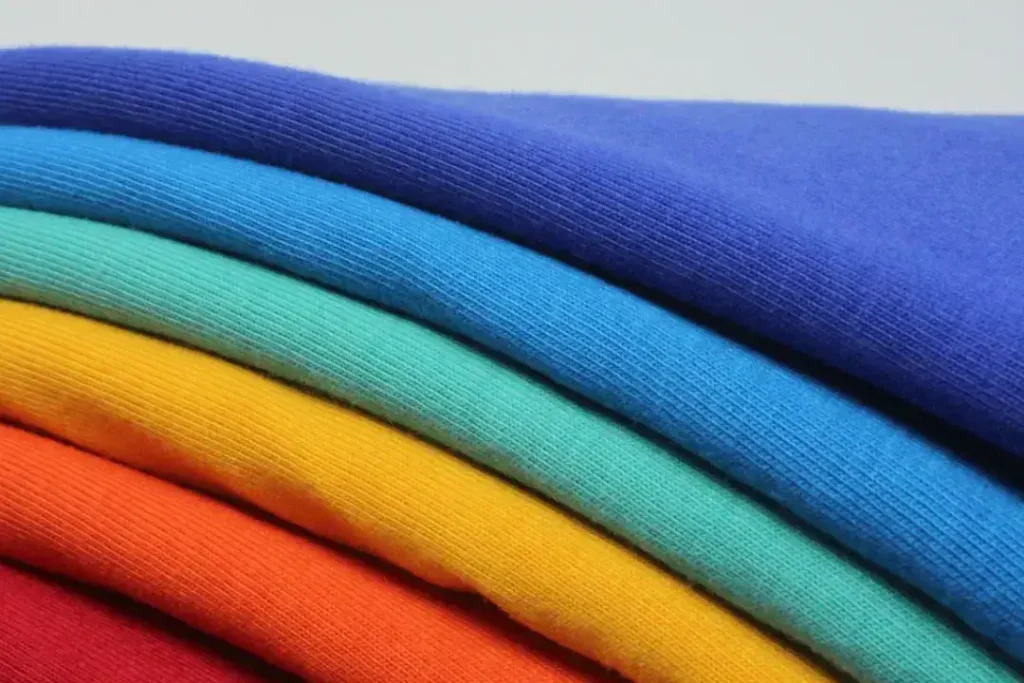
Textile engineers manufacture polyester from polyethylene terephthalate (PET). First, they melt the raw material and spin it into fibers. After that, they convert the fibers into yarn and knit or weave them into fabric. This process ensures durability and production efficiency for bulk apparel manufacturing.
Polyester resists wrinkles and retains color for longer periods. Furthermore, it performs well in demanding environments such as sports and outdoor settings. However, sustainability concerns may influence sourcing decisions, especially for environmentally conscious clothing brands.
Because polyester dries quickly and wicks moisture, sportswear manufacturers frequently use it in gym wear and outdoor clothing. Additionally, promotional apparel producers favor polyester for large-scale printing projects. Therefore, it remains a practical choice for high-volume production.
Linen fabric for T-shirts is known for its lightweight texture and superior breathability. Made from natural flax fibers, linen is commonly used in premium summer apparel and eco-friendly clothing collections in the European fashion market.
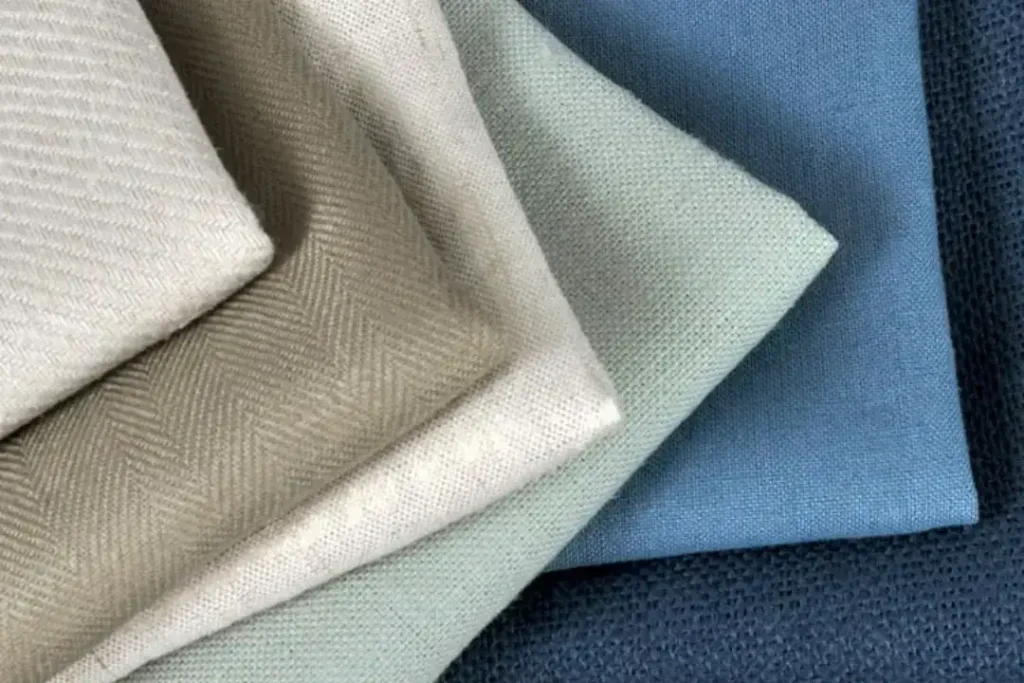
Producers extract flax fibers and spin them into yarn. Next, textile mills weave the yarn into linen fabric using specialized techniques. As a result, manufacturers obtain a strong yet breathable material ideal for warm-weather garments.
Linen provides impressive strength and ventilation. Nevertheless, it wrinkles more easily than cotton or polyester. For this reason, manufacturers may apply finishing treatments during bulk production to improve its appearance and usability.
Fashion brands commonly use linen in summer shirts and lightweight casualwear. In particular, premium collections benefit from its cooling properties. Consequently, linen remains a strong option for warm European markets.
Rayon fabric for T-shirts, often referred to as artificial silk, is valued for its soft texture and smooth finish. It is commonly used in fashion apparel and blended fabrics to create lightweight and stylish T-shirt designs for modern clothing brands.

Manufacturers produce rayon by processing natural cellulose, usually extracted from wood pulp. They treat the cellulose with specific chemicals, convert it into fibers, and spin those fibers into yarn. Textile producers then weave or knit the yarn to create rayon fabric for T-shirt production. This method enables brands to develop lightweight, smooth, and fashion-friendly apparel fabrics.
Rayon delivers a soft texture, excellent absorbency, and strong color vibrancy, which makes it attractive for fashion apparel. However, the fabric stretches more easily than cotton or polyester, especially when wet. To enhance performance, manufacturers often blend rayon with stronger fibers or apply finishing treatments during production.
Designers frequently select rayon for dresses, blouses, and lightweight T-shirts because of its smooth drape and refined appearance. Seasonal fashion collections benefit the most from this fabric, particularly when comfort and fluid movement matter.
Blended T-shirt fabrics combine two or more fibers to achieve enhanced performance and balanced fabric properties. In modern garment manufacturing, blends such as cotton polyester blends are widely used to improve comfort, durability, and cost-efficiency for bulk apparel production.
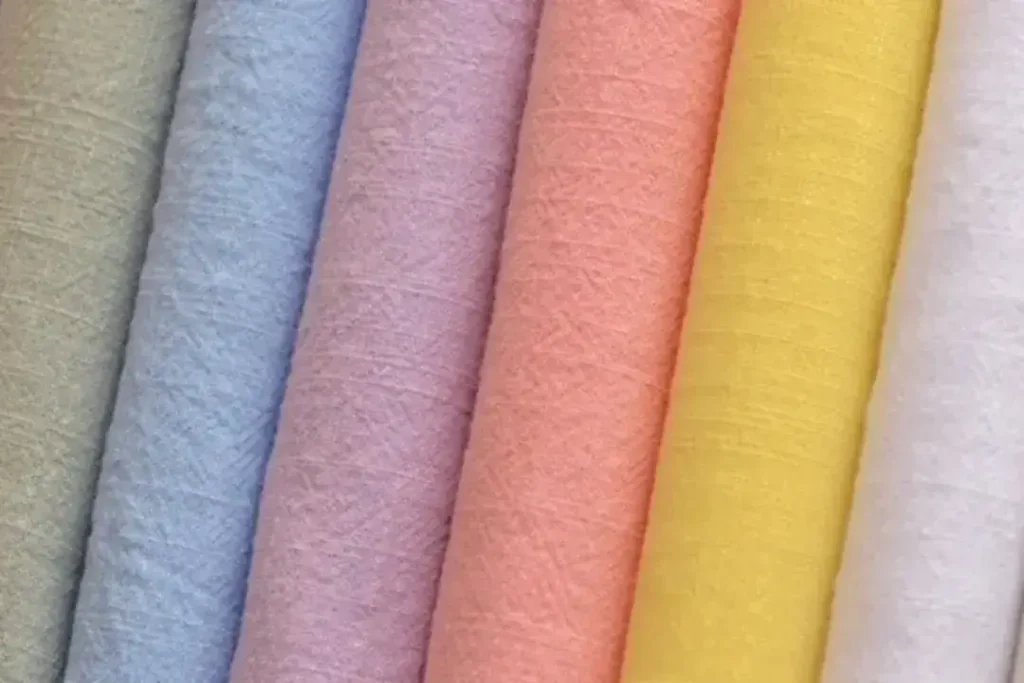
Producers mix natural and synthetic fibers either before spinning or during yarn formation. By blending cotton with polyester, manufacturers achieve better breathability from cotton and enhanced strength from polyester. This approach supports large-scale B2B clothing production and activewear manufacturing
Blended fabrics increase resistance to shrinking, stretching, and frequent washing. Many brands rely on blends to improve moisture management and flexibility in sportswear collections. However, fiber composition directly affects breathability and care requirements, so manufacturers must align blends with product purpose.
Because of their versatility, brands use blended fabrics in sportswear, promotional clothing, activewear, and durable casual collections. These fabrics perform well in products that require both comfort and long-term wear resistance.
Each T-shirt fabric delivers distinct advantages that influence garment performance. Buyers and wholesalers must evaluate comfort, airflow, durability, moisture control, and production cost before selecting materials for B2B apparel sourcing.
Cotton: Provides natural softness and breathability. Brands commonly use it for summer and casualwear collections, although improper processing may cause shrinkage.
Polyester: Maintains shape, resists wrinkles, and retains color for longer periods. Sportswear manufacturers prefer it for performance-driven apparel.
Linen: Promotes airflow and delivers lightweight comfort, making it suitable for premium warm-weather fashion.
Rayon: Creates a smooth drape and stylish finish, ideal for trend-focused clothing lines.
Blends: Combine multiple fiber strengths to deliver balanced performance for modern garment production.
Businesses must analyze climate conditions, expected durability, target audience preferences, and budget limitations before finalizing fabric selection. A strategic fabric choice strengthens product quality, improves brand positioning, and increases long-term competitiveness in the apparel market.
Comfort plays a crucial role in T-shirt fabric selection and overall garment performance. Soft and breathable materials such as cotton and rayon enhance skin feel and everyday wearability. Synthetic fabrics, on the other hand, improve stretch, moisture control, and durability. For B2B clothing brands, choosing the right fabric directly increases customer satisfaction and perceived product value.
Fabric weight determines how a T-shirt drapes and performs across different seasons. Lightweight materials like cotton and linen create a relaxed and breathable summer look. In contrast, heavier fabrics and structured blends add form, durability, and a premium feel to fashion and outerwear collections.
Fabric composition strongly influences T-shirt fit and shape retention. Cotton and rayon contour naturally to the body and create a softer silhouette. Polyester and performance blends hold their structure for longer periods, which makes them ideal for sportswear and activewear manufacturing.
Durability defines the long-term value of any T-shirt. Polyester and blended fabrics resist shrinking, stretching, and repeated washing more effectively than many natural fibers. Proper fabric finishing and correct washing practices further extend garment lifespan in bulk apparel production.
Price significantly impacts fabric sourcing decisions in apparel manufacturing. Organic cotton and linen require longer cultivation and processing cycles, which increases their market cost. Synthetic and blended fabrics reduce production expenses and provide scalable solutions for large-volume garment manufacturing.
The right T-shirt fabric creates a balance between comfort, durability, and production efficiency. Brands that understand fabric performance can improve product consistency, strengthen market positioning, and meet evolving demands in the European apparel industry.
Proper T-shirt care instructions depend on the fabric composition. Natural fabrics like cotton and linen require gentle washing, while polyester and blended fabrics are more durable for machine washing. Following correct garment care practices helps extend product lifespan in fashion and sportswear collections.
Fashion brands continue to choose cotton and cotton blends because they offer comfort, versatility, and cost efficiency. However, many apparel manufacturers now prioritize sustainability. Brands increasingly adopt organic cotton, recycled fabrics, and low-impact production methods to reduce water consumption and minimize waste. European clothing companies especially focus on eco-friendly T-shirt fabrics to meet growing consumer demand for sustainable fashion.
No, cotton T-shirts vary significantly in quality and processing. Manufacturers produce different types of cotton fabrics to serve specific purposes.
For example:
Raw Cotton offers a more natural and untreated texture.
Combed Cotton undergoes a refining process that removes short fibers and impurities, resulting in a softer and smoother fabric.
Premium varieties such as Pima or Egyptian cotton provide superior durability and comfort.
When sourcing cotton T-shirts for B2B apparel production, buyers should evaluate fiber quality, weaving method, and finishing techniques.

Custom Clothing Manufcaturer
Where to Order Custom T-Shirts with Low Minimums Worldwide T-shirts remain one of the most
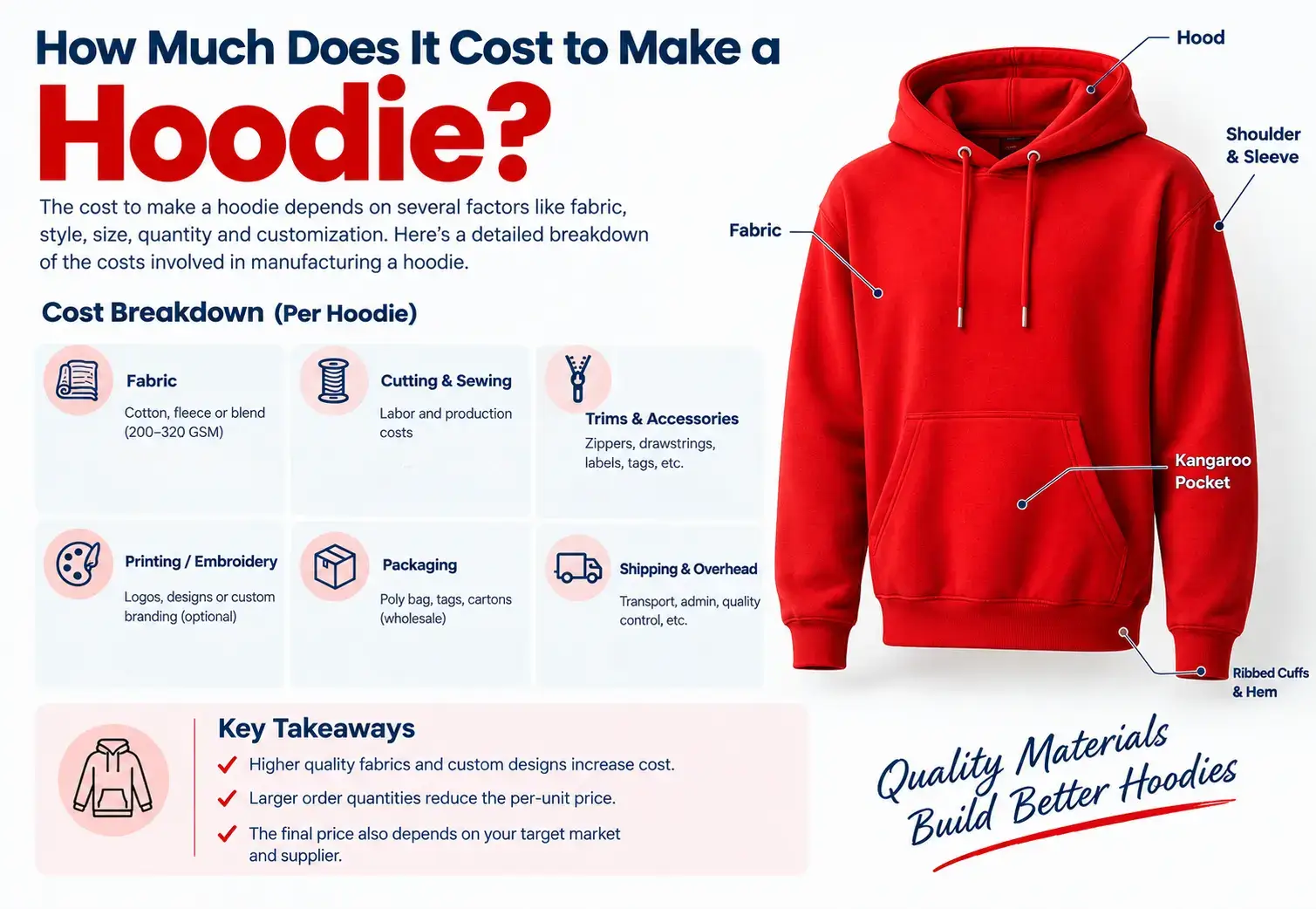
How Much Does It Cost to Make a Hoodie? A Complete Manufacturing Cost Guide A
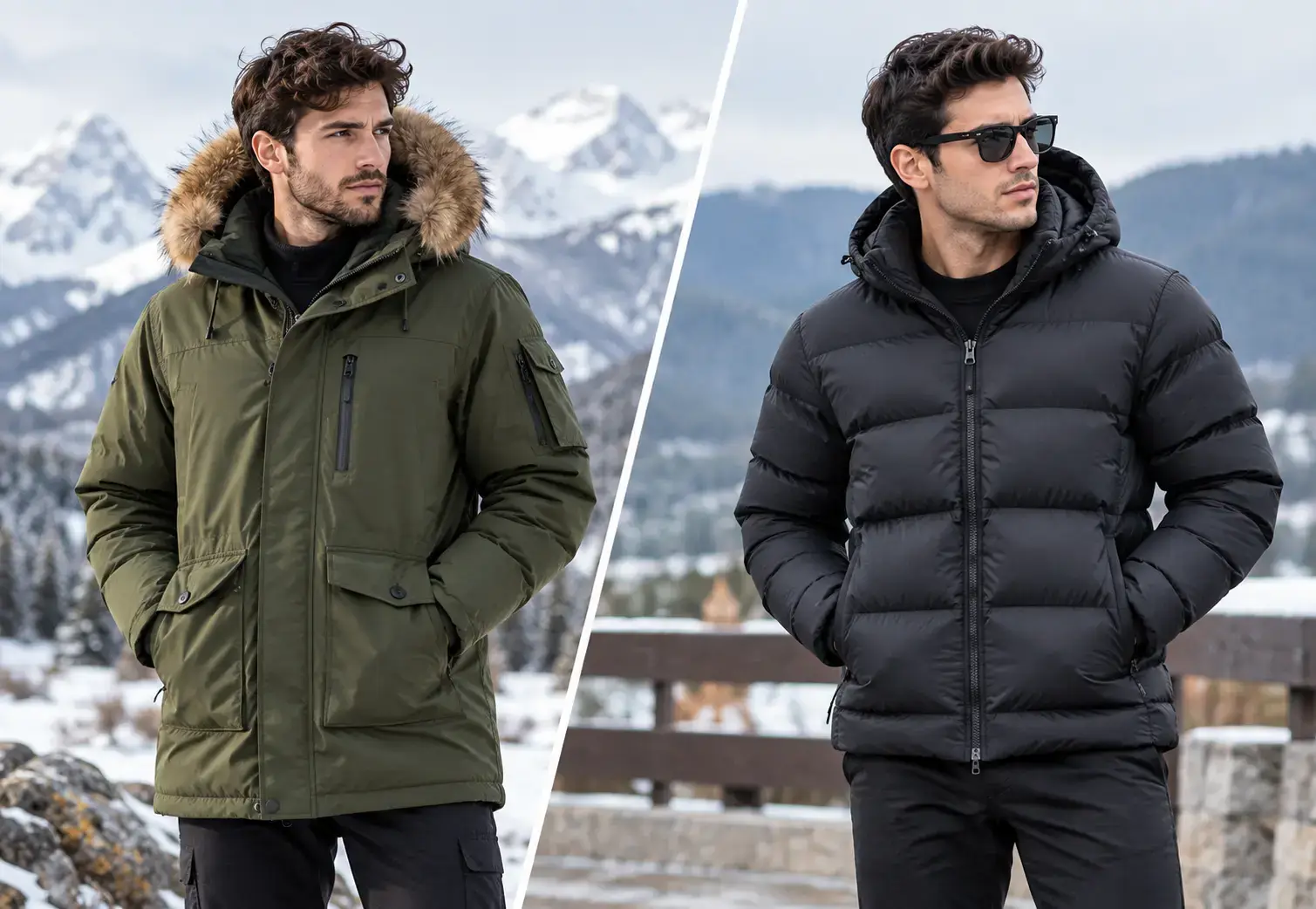
PARKA VS PUFFER JACKET: WHICH WINTER COAT SHOULD YOU CHOOSE? THE BATTLE OF TWO POPULAR
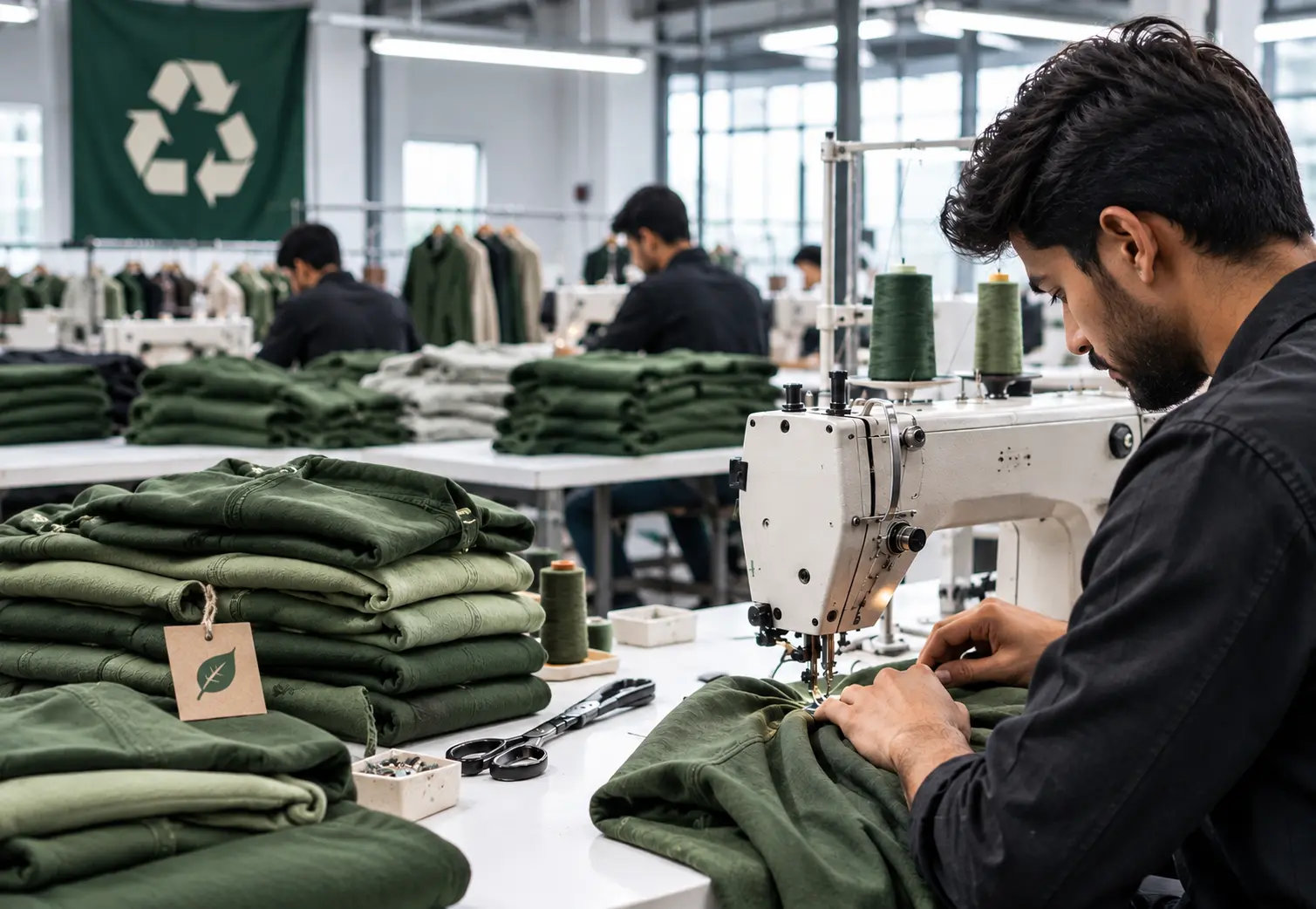
Sustainable Clothing Manufacturing: A Complete Guide to Fashion & Eco-Friendly Production EXPLORING ETHICAL SOURCING AND

Custom Clothing Manufcaturer
WhatsApp us