
Types Of Seams
UNFOLDING MYSTERIES OF STITCHES
Garment construction depends heavily on the quality of seams and stitching techniques. Every well-made garment relies on seams to hold fabric pieces together while maintaining shape and durability. Moreover, the right seam type improves the overall strength, appearance, and functionality of clothing. In this guide, we explore the most common types of seams used in garment manufacturing and explain how each one contributes to better clothing design and performance.
Table of Contents
WHAT ARE SEAMS?
In garment production, seams connect two or more pieces of fabric to form a complete structure. Therefore, they play a critical role in determining garment durability, comfort, and overall fit. Designers and manufacturers carefully select seam types because different fabrics and clothing styles require specific stitching methods.
HERE ARE THE TOP 5 MOST COMMON TYPES OF SEAMS
NO.1 PLAIN SEAMS
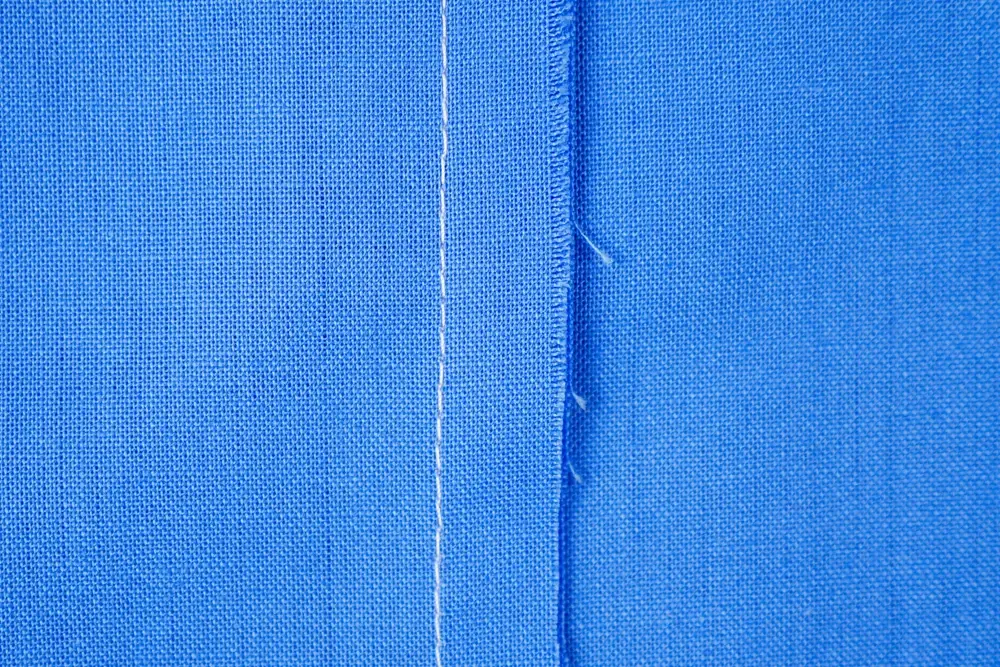
Plain seams represent the most basic and widely used seam type in sewing and garment production. Manufacturers often choose this seam because it works well with lightweight and medium-weight fabrics. As a result, most everyday clothing items rely on plain seams for simple construction and efficient production.
PROS & CONS
Plain seams offer excellent versatility and allow fast garment assembly. However, raw fabric edges may fray over time. Therefore, manufacturers usually apply seam finishing techniques to improve durability.
NO.2 FRENCH SEAMS
French seams create a clean and professional finish by enclosing raw fabric edges inside the seam. For this reason, designers frequently use this seam for delicate fabrics such as silk, chiffon, and lightweight cotton. In addition, French seams enhance garment aesthetics and prevent fabric fraying.
PROS & CONS
This seam provides a polished interior finish and improves garment durability. However, the sewing process requires extra steps and may not work well with thicker fabrics.
NO.3 FLAT-FELLED SEAMS
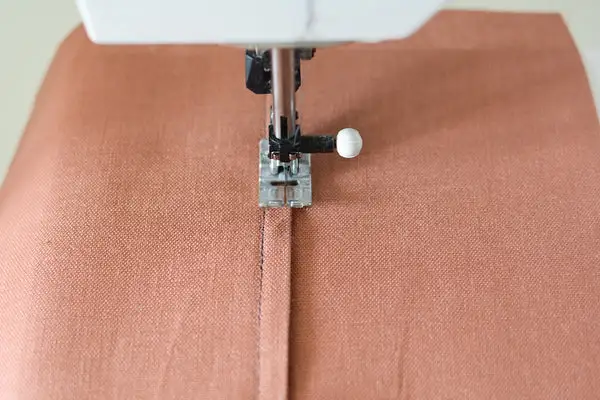
Flat-felled seams fold one seam allowance over another and stitch them flat against the fabric. Consequently, the seam becomes extremely strong and durable. Manufacturers commonly use this seam in denim jeans, workwear, and shirts because it withstands frequent wear and washing.
PROS & CONS
Flat-felled seams create a neat finish on both sides of the fabric. Furthermore, they improve garment strength and longevity. Nevertheless, this seam requires additional sewing time compared to basic seams.
NO.4 OVERLOCK SEAMS
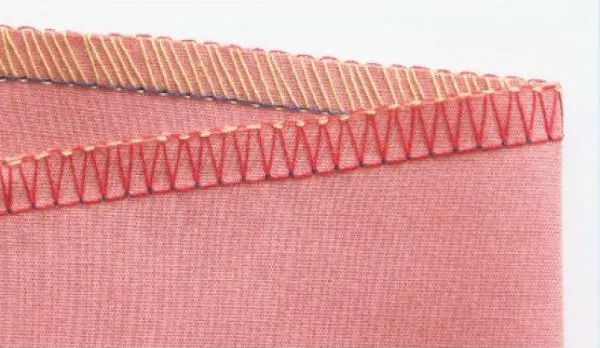
Overlock seams combine stitching and edge finishing in a single step using a specialized sewing machine. Because of this, they prevent fraying and produce a professional garment finish. Clothing manufacturers often apply overlock seams to knit fabrics and stretch garments.
PROS AND CONS
Overlock seams provide fast production and clean fabric edges. In addition, they work exceptionally well for stretch fabrics. However, the method requires an overlock machine and may offer slightly less strength than reinforced seams.
NO.5 LAPPED SEAMS
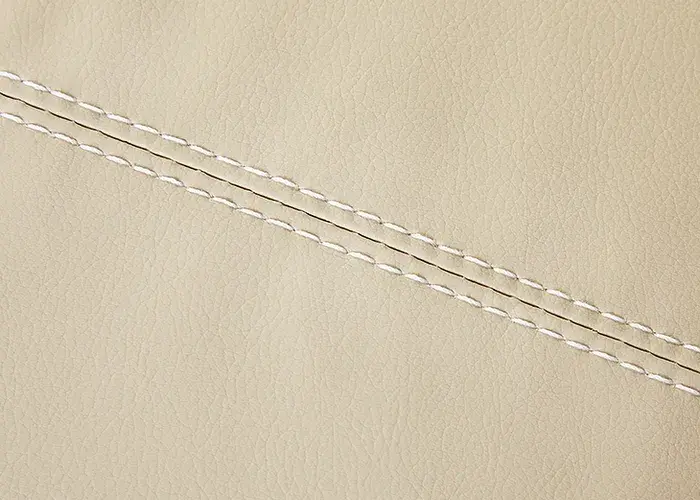
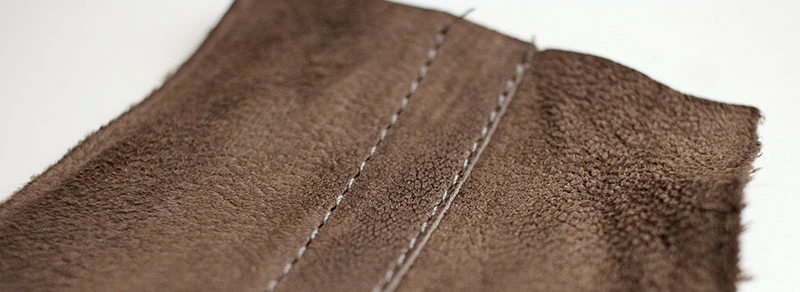
Lapped seams form when one piece of fabric overlaps another before stitching them together. As a result, the seam becomes strong and visually distinctive. Designers frequently use this seam in heavy fabrics, leather garments, and decorative clothing designs.
PROS & CONS
This seam improves garment durability and adds a decorative appearance. However, thicker layers of fabric may increase bulk depending on the material used.
NO.6 OVERLAPPED SEAMS
Designers often choose overlapped seams when they want decorative styling or flexible construction for stretchable and lounge fabrics. In this method, one fabric layer overlaps another before stitching. As a result, the seam creates a distinctive design element while maintaining garment flexibility. Unlike traditional lapped seams, each fabric edge remains more visually separated, which adds a unique aesthetic to the garment.
PROS AND CONS
Overlapped seams improve comfort and allow designers to highlight decorative trims along seam lines. Moreover, this seam type enhances visual appeal in fashion-focused garments. However, intricate seam detailing may limit its use in large-scale automated production. Therefore, manufacturers must carefully evaluate production requirements before choosing this seam type.
NO.7 COMBINATION SEAMS
Complex garment designs sometimes require more than one seam technique. Therefore, designers combine multiple seam types to achieve both functionality and aesthetic balance. In many cases, these combination seams allow greater flexibility during garment construction and help meet specific design requirements.
PROS AND CONS
Combination seams support advanced garment designs and allow manufacturers to solve structural challenges. Furthermore, they offer greater versatility when working with different fabrics and garment styles. However, this approach often increases production complexity and may require additional sewing expertise.
WHAT ARE DIFFERENT SEAM CLASSES?
Seam classes organize different seam structures based on their construction method and functional purpose. Consequently, this classification system helps designers and manufacturers select the most appropriate seam for a specific garment. In addition, understanding seam classes improves garment durability, fit, and production efficiency.
CLASS 1: SUPERIMPOSED SEAMS
Superimposed seams join two or more layers of fabric placed directly on top of each other. After alignment, manufacturers stitch the layers together to create a secure connection. Because of this, these seams provide reliable strength and structural stability in many garments.
PROS & CONS
Superimposed seams handle high tension effectively, which makes them suitable for weight-bearing garment areas. Additionally, they support strong and durable stitching. However, the layered construction may create additional fabric bulk. Therefore, designers must evaluate garment thickness when using this seam type.
CLASS 2: LAPPED SEAMS
Lapped seams form when one fabric edge overlaps another and stitches secure the layers together. As a result, the seam creates a flat appearance while improving structural strength. Manufacturers frequently apply this seam in garments that require durability and clean finishing.
PROS & CONS
Lapped seams deliver strong stitching and reduce the risk of fabric fraying. Furthermore, they create a stable seam structure for heavy fabrics. However, this seam demands precise alignment during sewing. Otherwise, visible seam edges may affect garment appearance.
CLASS 3: BOUND SEAMS
Bound seams use an additional strip of fabric or binding material to cover raw fabric edges. Consequently, this method improves seam finishing and enhances garment durability. Designers commonly apply bound seams around necklines and curved garment areas.
PROS & CONS
Bound seams create smooth seam lines and prevent fabric distortion. Moreover, they improve the appearance of curved edges and necklines. However, this technique may not perform well with extremely lightweight or very heavy fabrics.
CLASS 4: DECORATIVE SEAMS
Decorative seams enhance the visual appeal of garments and add stylish detailing to apparel designs. Fashion designers and clothing manufacturers often use these seams to create unique textures, patterns, and aesthetic finishes. As a result, decorative seams help clothing brands produce visually attractive garments for fashion collections.
PROS & CONS
Decorative seams allow designers to add intricate patterns and creative details to garments. Therefore, they significantly improve the overall appearance of fashion apparel. However, these seams provide minimal structural strength compared to functional seams. In addition, they often require more production time and skilled workmanship during garment manufacturing.
CLASS 5: LINKED OR ATTACHED SEAMS
Linked or attached seams connect separate garment components such as collars, cuffs, and other apparel elements. Designers use these seams when they need to join different parts of a garment without overlapping the main fabric panels. Consequently, this seam type supports complex garment construction and advanced apparel design.
PROS & CONS
Linked seams provide additional styling flexibility and allow designers to experiment with garment structures. Moreover, they help connect different clothing components efficiently in custom apparel production. However, these seams can increase construction complexity, and therefore they may not suit every garment design or manufacturing process.
Conclusion
Different types of seams play a crucial role in garment construction and apparel manufacturing. Although seams may look like simple stitching lines, they strongly influence garment durability, structure, and design quality. Therefore, clothing manufacturers and fashion brands must understand the strengths and applications of each seam type.
By selecting the right seam type, designers can improve garment durability, comfort, and visual appeal. Furthermore, proper seam selection supports efficient apparel production and better product quality in competitive clothing markets.
Frequently Asked Questions
Plain seams remain the most commonly used seam type in garment manufacturing because they offer simplicity, durability, and versatility. In most apparel production processes, manufacturers choose plain seams for basic garment construction. However, designers may select other seam types depending on the fabric type, garment design, and production requirements.
When it comes to durability and strength, the flat felled seam stands out as one of the strongest seam types in garment construction. This seam type delivers excellent durability because it securely encloses the raw fabric edges and reinforces the stitching. As a result, manufacturers widely use flat felled seams in denim jeans, workwear, and heavy-duty garments that require extra strength.
French seams often cost more because they require skilled stitching and precise sewing techniques. Manufacturers sew the fabric twice to fully enclose the raw edges and create a smooth, clean finish. This additional sewing step increases production time and labor costs.
Share THis Post on social media
Facebook
LinkedIn
X
WhatsApp
Telegram
Email
Reddit
Pinterest
Tumblr

Custom Clothing Manufcaturer
- Unmatched comfort & durability
- Sustainable production process
- Customizable designs and logos
Most Recent Posts

Custom Clothing Manufcaturer
- Unmatched comfort & durability
- Sustainable production process
- Customizable designs and logos