
Blogs
Custom T-Shirts with Low Minimums | Tangibal Sports
Where to Order Custom T-Shirts with Low Minimums Worldwide T-shirts remain one of the most versatile products in the global
The global fashion industry continues to face growing pressure to reduce its environmental impact and adopt responsible manufacturing practices. Today, brands, retailers, and consumers increasingly prioritize ethical sourcing, sustainable materials, and transparent supply chains. Therefore, businesses across the apparel industry must embrace sustainable strategies to remain competitive in international markets.
Moreover, ethical sourcing goes beyond environmental responsibility. It also promotes fair labor practices, responsible resource management, and long-term business sustainability. As a result, clothing brands can strengthen customer trust, enhance brand reputation, and meet evolving global compliance standards.
In addition, the garment industry continues to explore innovative solutions that reduce carbon emissions, minimize textile waste, and improve water efficiency. Manufacturers now invest in recycled fabrics, organic cotton, renewable energy, and advanced production technologies to create more sustainable apparel. These initiatives not only protect natural resources but also support long-term industry growth.
Furthermore, modern textile production focuses on reducing water consumption through efficient dyeing processes, water recycling systems, and precision irrigation for natural fiber cultivation. At the same time, many apparel manufacturers adopt internationally recognized sustainability certifications to demonstrate their commitment to responsible production.
As consumer demand for eco-friendly fashion continues to rise, businesses that invest in ethical sourcing and sustainable garment manufacturing gain a significant competitive advantage. Therefore, understanding these challenges and opportunities helps fashion brands build resilient supply chains, improve product quality, and achieve long-term success in the global apparel market.
Sustainability in clothing manufacturing focuses on reducing environmental impact while improving social and economic responsibility throughout the apparel supply chain. Today, global fashion brands actively adopt sustainable production methods to minimize waste, lower carbon emissions, conserve natural resources, and promote ethical labor practices.
Moreover, sustainable garment manufacturing encourages the use of eco-friendly materials, energy-efficient technologies, and responsible sourcing. As a result, apparel businesses can produce high-quality garments while protecting the environment and meeting international sustainability standards.
Furthermore, consumers increasingly prefer brands that demonstrate transparency and environmental responsibility. Therefore, investing in sustainable clothing manufacturing helps businesses strengthen their reputation, attract environmentally conscious customers, and achieve long-term growth in competitive global markets.
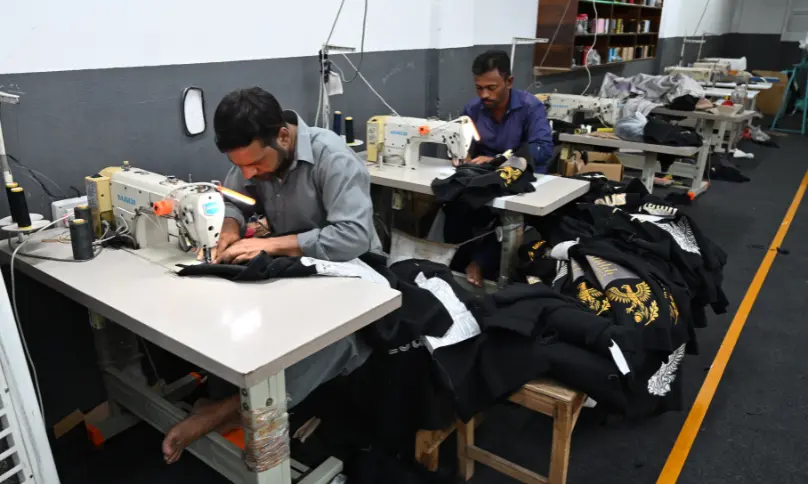
Sustainable clothing refers to garments produced with environmentally responsible materials and ethical manufacturing practices. Manufacturers use organic cotton, recycled polyester, bamboo fabric, hemp, and other sustainable fibers to reduce environmental impact throughout the product lifecycle.
In addition, sustainable clothing emphasizes durability, responsible resource management, and reduced textile waste. Consequently, brands can deliver high-quality apparel while supporting a circular fashion economy.
Traditional apparel production often consumes large amounts of water, energy, and raw materials. Additionally, conventional textile processes generate significant carbon emissions, chemical pollution, and fabric waste.
Therefore, many clothing manufacturers now invest in cleaner production technologies, water-saving dyeing methods, renewable energy, and sustainable materials. As a result, businesses reduce environmental impact while improving operational efficiency.
Successful sustainable apparel manufacturing depends on three core principles: environmental sustainability, social responsibility, and economic sustainability. Together, these pillars help businesses build responsible and resilient supply chains.
Environmental sustainability focuses on protecting natural resources through responsible manufacturing practices. Clothing manufacturers reduce water consumption, minimize textile waste, increase recycling, and improve energy efficiency to lower their environmental footprint.
Moreover, many brands invest in biodegradable materials, low-impact dyes, and circular production systems. Consequently, they reduce waste while creating more sustainable apparel collections.
Social sustainability promotes safe working environments, fair wages, ethical labor practices, and employee well-being across the apparel supply chain.
Furthermore, responsible manufacturers follow international labor standards and maintain transparent business practices. As a result, fashion brands build stronger partnerships, improve worker satisfaction, and strengthen customer trust.
Economic sustainability helps apparel businesses achieve long-term profitability while managing resources efficiently. Companies improve productivity, reduce operational costs, and optimize production without compromising product quality.
Additionally, sustainable investments often lower waste, improve manufacturing efficiency, and increase competitiveness in international fashion markets.
The global apparel industry continues to invest in innovative sustainability initiatives that reduce environmental impact and improve supply chain transparency. Many clothing manufacturers now use renewable energy, water recycling systems, digital production technologies, and recycled fabrics to support responsible manufacturing.
Moreover, international sustainability certifications help brands demonstrate compliance with global environmental and social standards. Consequently, businesses improve credibility and strengthen relationships with retailers and consumers worldwide.
Eco-friendly fabrics play a key role in sustainable garment manufacturing. Materials such as organic cotton, recycled polyester, hemp, TENCEL™, bamboo, and recycled nylon reduce resource consumption while maintaining excellent product quality.
In addition, these materials support circular fashion initiatives by extending product life and reducing textile waste. Therefore, fashion brands increasingly choose sustainable fabrics for modern apparel collections.
Energy-efficient production helps clothing manufacturers reduce electricity consumption and greenhouse gas emissions. Many factories now use energy-saving equipment, automated production systems, LED lighting, and renewable energy sources to improve efficiency.
Furthermore, optimized manufacturing processes reduce operating costs while supporting global sustainability goals. As a result, brands achieve better productivity, lower environmental impact, and stronger long-term business performance.
Effective waste management plays a vital role in building a sustainable clothing industry. Every stage of apparel manufacturing, from fabric cutting to garment finishing, generates textile waste. Therefore, fashion brands and clothing manufacturers must adopt responsible waste management practices to reduce environmental impact.
Moreover, manufacturers can recycle fabric scraps, optimize cutting layouts, and reuse production materials to minimize waste. In addition, many apparel companies invest in circular manufacturing systems that extend product life and reduce landfill waste. As a result, businesses lower production costs while supporting long-term sustainability goals.
Furthermore, responsible waste management strengthens brand reputation, improves operational efficiency, and helps companies meet international environmental standards.
Sustainability certifications help clothing manufacturers demonstrate their commitment to responsible production and ethical business practices. These internationally recognized certifications verify compliance with environmental, social, and quality standards.
Moreover, certifications increase transparency across the apparel supply chain and strengthen buyer confidence. As a result, fashion brands can build long-term partnerships with retailers and distributors worldwide.
Some of the most recognized certifications include:
Building a sustainable clothing business requires continuous improvement. Therefore, brands should integrate responsible manufacturing practices throughout the entire production process.
Key actions include:
Consequently, businesses can improve product quality, reduce operational costs, and strengthen their global market position.
The global fashion industry continues to accelerate sustainability initiatives. Today, international brands invest in cleaner production technologies, recycled textiles, renewable energy, and transparent supply chains to meet evolving consumer expectations.
Furthermore, governments, retailers, and consumers increasingly support environmentally responsible products. As a result, sustainable apparel has become a competitive advantage rather than an optional business strategy.
Consumers around the world actively seek clothing made from sustainable materials and ethical production processes. Therefore, brands that invest in eco-friendly apparel gain stronger customer loyalty and greater market visibility.
Moreover, buyers increasingly evaluate product transparency, sustainability certifications, and responsible sourcing before making purchasing decisions. Consequently, sustainable fashion continues to experience strong global growth.
Biodegradable fabrics help reduce textile waste and support a circular economy. Materials such as organic cotton, hemp, linen, TENCEL™ Lyocell, and responsibly sourced natural fibers naturally decompose under appropriate conditions, reducing long-term environmental impact.
In addition, biodegradable materials decrease dependence on synthetic fibers and support responsible resource management. As a result, fashion brands improve sustainability performance while meeting growing consumer demand for environmentally responsible apparel.
Modern technology continues to transform sustainable apparel manufacturing. For example, digital textile printing, automated cutting, energy-efficient machinery, and advanced production systems help clothing manufacturers reduce waste and improve resource efficiency. Therefore, fashion brands can achieve better production performance while supporting environmentally responsible practices.
Moreover, smart manufacturing technologies allow apparel companies to monitor production processes, improve material utilization, and reduce unnecessary energy consumption. In addition, these solutions help manufacturers maintain consistent quality while meeting the growing sustainability expectations of international fashion brands.
Tangibal Sports supports modern apparel manufacturing practices by focusing on quality, efficient production, and responsible sourcing for clothing brands and businesses worldwide.
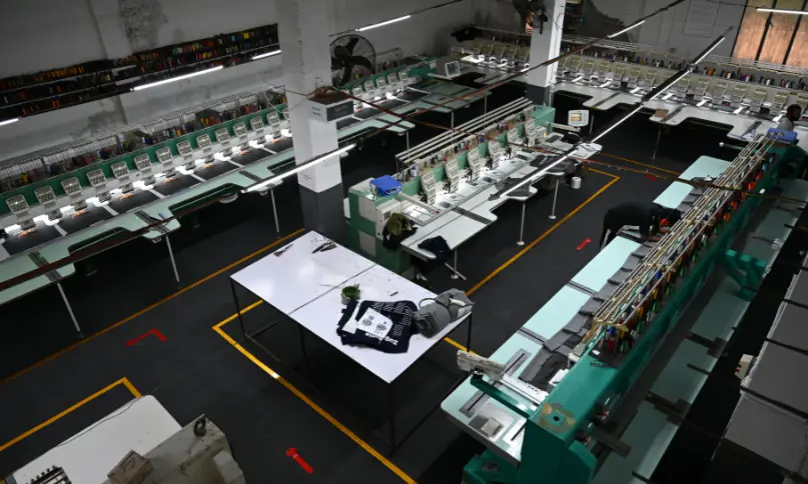
Governments and industry organizations worldwide increasingly encourage businesses to adopt sustainable manufacturing technologies. Financial incentives, tax benefits, sustainability programs, and investment support can help apparel manufacturers upgrade their production facilities.
Furthermore, these initiatives can reduce the initial cost of sustainable equipment and renewable energy systems. As a result, manufacturers can transition toward cleaner production methods while improving long-term operational efficiency.
For international clothing brands, working with manufacturers that understand sustainability requirements can also improve supply chain transparency and support responsible sourcing goals.
Although sustainable production offers significant benefits, apparel manufacturers can face several challenges. High technology costs, limited infrastructure, skilled-labor shortages, and complex supply chains can slow the adoption of environmentally responsible practices.
However, manufacturers can overcome these challenges through strategic investment, employee training, technology partnerships, and better production planning. Moreover, gradual improvements can help businesses adopt sustainable practices without disrupting their existing operations.
One of the biggest challenges involves the investment required for modern sustainable equipment. Energy-efficient machinery, renewable energy systems, water-treatment solutions, and advanced recycling technologies can require substantial capital.
Nevertheless, these investments can deliver long-term benefits. For instance, efficient machinery can reduce energy consumption, minimize material waste, and improve production productivity. Therefore, businesses should evaluate both the initial investment and long-term operational savings.
Apparel businesses can reduce financial pressure by exploring government programs, technology partnerships, industry initiatives, and sustainability-focused financing options.
Additionally, collaboration with experienced manufacturing partners can help brands identify practical solutions that match their production requirements and sustainability goals.
Access to reliable clean energy can create another challenge for apparel manufacturers. Some production facilities still depend on conventional energy sources, which can increase operational emissions and environmental impact.
However, renewable energy solutions such as solar power can provide manufacturers with cleaner alternatives. Furthermore, energy-efficient equipment can reduce overall consumption and improve production efficiency.
Manufacturers should gradually increase their use of renewable energy wherever practical. Solar power, energy-efficient machinery, and smart energy-management systems can help reduce environmental impact.
As a result, apparel businesses can build more resilient production systems while supporting global sustainability objectives.
Sustainable apparel manufacturing requires workers who understand modern production technologies, responsible material handling, waste reduction, and energy-efficient processes.
Therefore, manufacturers should provide regular training and professional development programs. In addition, partnerships with technical institutions and industry organizations can help businesses develop skilled teams.
Training employees in sustainable manufacturing practices can improve production efficiency and reduce operational errors. Moreover, skilled teams can operate advanced machinery more effectively and identify opportunities to reduce waste.
Consequently, workforce development plays an important role in building a modern and sustainable apparel supply chain.
Government policies can strongly influence the adoption of sustainable manufacturing practices. Clear environmental standards, financial incentives, renewable-energy programs, and responsible sourcing regulations can encourage businesses to invest in greener technologies.
However, inconsistent policies or limited support can make long-term sustainability planning more difficult. Therefore, collaboration between governments, manufacturers, brands, and industry organizations remains essential.
Industry stakeholders should participate in sustainability discussions and share practical manufacturing insights with policymakers. Furthermore, businesses can work with industry organizations to encourage realistic environmental standards and effective sustainability programs.
The global fashion industry continues to move toward more sustainable production. Today, international brands increasingly look for responsible sourcing, eco-friendly materials, transparent supply chains, and ethical manufacturing partners.
Moreover, manufacturers that invest in sustainability can improve their competitiveness in international markets. Brands can also strengthen customer trust by working with suppliers that prioritize quality, responsible production, and environmental performance.
Tangibal Sports aims to support clothing brands with professional apparel manufacturing solutions while focusing on quality, product development, and efficient production for the worldwide market.
Ultimately, sustainable apparel manufacturing represents more than an environmental initiative. It creates an opportunity for clothing brands and manufacturers to improve efficiency, strengthen their supply chains, reduce waste, and build stronger long-term businesses.
The global apparel industry continues to strengthen its commitment to sustainable manufacturing. Today, clothing brands and manufacturers focus on reducing waste, improving resource efficiency, and adopting responsible production methods. Therefore, sustainable apparel manufacturing has become an important part of long-term business growth.
Moreover, international buyers increasingly look for suppliers that follow ethical sourcing practices and use eco-friendly materials. As a result, manufacturers that invest in sustainable production can build stronger relationships with global fashion brands and retailers.
At Tangibal Sports, we understand the growing demand for responsible apparel manufacturing. By focusing on quality, efficient production, and modern manufacturing solutions, we help clothing businesses develop products that meet evolving international market expectations.
Different apparel-producing countries offer unique advantages in terms of manufacturing capacity, production costs, skilled labor, technology, and sustainability practices. Therefore, clothing brands should evaluate suppliers based on quality, communication, production capabilities, certifications, and responsible sourcing.
For example, manufacturers with strong textile infrastructure can provide efficient fabric sourcing and large-scale production. Meanwhile, suppliers with advanced technology can support better quality control, sustainable materials, and innovative garment development.
Consequently, brands should select manufacturing partners that align with their product requirements, sustainability goals, target market, and long-term growth strategy.
International cooperation plays an important role in advancing sustainable fashion. Brands, manufacturers, suppliers, governments, and industry organizations can work together to improve environmental and social standards across the apparel supply chain.
Furthermore, global partnerships encourage knowledge sharing, technology development, responsible sourcing, and better waste-management practices. These collaborations also help businesses identify practical solutions for reducing their environmental footprint.
As a result, international cooperation can accelerate the transition toward a more responsible and sustainable global clothing industry.
Consumer awareness continues to influence the direction of the fashion industry. Today, customers increasingly consider fabric composition, production methods, ethical sourcing, and environmental impact before purchasing clothing.
Therefore, brands must understand changing consumer expectations and communicate their sustainability efforts clearly. Transparent information about materials, manufacturing, and supply chains can help businesses build stronger customer relationships.
Moreover, informed consumers encourage brands to improve their production practices and invest in sustainable apparel solutions.
Consumers have significant influence over modern fashion trends. When customers consistently choose eco-friendly and ethically produced clothing, brands respond by improving their sourcing and manufacturing strategies.
In addition, consumer demand encourages businesses to explore organic cotton, recycled fabrics, low-impact dyes, and environmentally responsible production methods. Consequently, purchasing decisions can help accelerate positive changes throughout the apparel industry.
Global fashion movements continue to shape consumer expectations and manufacturing strategies. Sustainable fashion campaigns encourage brands to reduce textile waste, improve supply chain transparency, and use environmentally responsible materials.
Furthermore, international awareness of climate change and resource conservation has increased demand for sustainable clothing. As a result, fashion businesses now consider sustainability an important part of product development and brand positioning.
For clothing manufacturers, this shift creates opportunities to develop innovative apparel while supporting responsible production goals.
Education helps consumers and businesses understand sustainability labels and certifications. When buyers understand certifications, they can make more informed decisions about fabrics, manufacturing processes, and product quality.
Moreover, educational programs can help clothing brands understand responsible sourcing requirements and environmental standards. Consequently, better knowledge can improve communication between manufacturers, suppliers, retailers, and consumers.
Businesses can also educate their teams about sustainable materials, waste reduction, ethical sourcing, and responsible production practices.
Transparency has become a key factor in modern apparel sourcing. Customers and business buyers increasingly want clear information about materials, manufacturing processes, labor practices, and supply chains.
Therefore, brands should communicate their sustainability efforts honestly and clearly. Detailed product information can improve customer confidence while also strengthening relationships with international retailers and distributors.
Additionally, transparent manufacturers can provide better visibility into production processes, helping brands make more informed sourcing decisions.
The apparel industry can accelerate sustainable growth by adopting practical and measurable strategies. Businesses can begin by selecting eco-friendly fabrics, reducing textile waste, improving energy efficiency, and optimizing production processes.
Furthermore, manufacturers can invest in recycling systems, renewable energy, efficient machinery, and responsible water management. At the same time, brands can work with reliable suppliers that support ethical and sustainable manufacturing.
Tangibal Sports can support clothing brands with professional apparel manufacturing solutions while focusing on product quality, efficient production, and the evolving needs of international markets.
Research and development can help the apparel industry discover better sustainable materials. Brands and manufacturers can explore organic fibers, recycled textiles, biodegradable materials, and innovative fabric blends.
Moreover, research can improve fabric performance while reducing environmental impact. As new textile technologies continue to develop, businesses can introduce more sustainable products without compromising comfort, durability, or design.
Clothing manufacturers can collaborate with universities, textile research centers, technology companies, and sustainability organizations to develop innovative solutions.
Such partnerships can improve knowledge about sustainable fabrics, production technologies, recycling methods, and resource efficiency. Therefore, collaboration with research institutions can help apparel businesses stay competitive while supporting the future of sustainable fashion.
Ultimately, the global clothing industry can achieve meaningful progress when brands, manufacturers, consumers, and research organizations work together toward practical sustainability goals.
Clean energy can help apparel manufacturers reduce emissions, control energy costs, and improve their environmental performance. Today, many clothing factories are exploring solar power, wind energy, energy-efficient machinery, and other renewable energy solutions.
Moreover, partnerships with clean-energy providers can help manufacturers choose practical solutions for their facilities. As a result, apparel businesses can reduce their dependence on conventional energy sources while supporting long-term sustainability goals.
For global clothing brands, working with manufacturers that invest in clean energy can also strengthen supply chain sustainability and improve overall brand reputation.
Government agencies can play an important role in supporting sustainable apparel manufacturing. They can provide financial incentives, technical guidance, sustainability programs, and infrastructure support for businesses that adopt environmentally responsible technologies.
Furthermore, collaboration between governments and apparel manufacturers can encourage cleaner production across the textile industry. Therefore, businesses should explore available sustainability initiatives and work with relevant organizations to identify practical opportunities.
Effective waste-management regulations can help the apparel industry reduce textile waste and improve resource efficiency. Manufacturers should follow clear guidelines for fabric waste, chemical disposal, packaging materials, and production by-products.
In addition, stronger waste-management systems can encourage factories to recycle fabric scraps, reuse materials, and reduce landfill waste. Consequently, responsible waste practices can lower environmental impact while improving production efficiency.
Apparel businesses and industry organizations should encourage practical waste-management policies that support sustainable manufacturing. Clear standards can help manufacturers understand their responsibilities and implement effective waste-reduction systems.
Moreover, collaboration between brands, manufacturers, regulators, and sustainability organizations can create realistic solutions for textile waste. As a result, the industry can move toward a more circular and resource-efficient production model.
Education plays a major role in building a sustainable apparel industry. Manufacturers should train employees about waste reduction, energy efficiency, sustainable materials, recycling, and responsible production practices.
Furthermore, awareness programs can help workers understand how everyday production decisions affect environmental performance. Therefore, regular training can encourage teams to adopt more responsible habits across manufacturing facilities.
Clothing manufacturers should provide regular sustainability training for employees at different levels of the organization. Training can cover sustainable fabric selection, efficient resource use, waste management, energy conservation, and responsible production.
Additionally, manufacturers can measure training results through production audits and sustainability performance indicators. This approach helps businesses identify areas for improvement and maintain consistent environmental practices.
Tangibal Sports supports professional apparel manufacturing with a focus on quality, efficient production, and the evolving requirements of international clothing brands. By combining responsible manufacturing practices with modern production solutions, Tangibal Sports can help businesses develop apparel for the global market.
Sustainable apparel manufacturing requires continuous improvement across energy use, waste management, employee training, and production processes. Therefore, clothing manufacturers should combine modern technology with responsible business practices to reduce their environmental impact.
Moreover, clean-energy partnerships, stronger waste-management policies, employee education, and effective sustainability programs can create measurable improvements throughout the apparel supply chain. As consumer demand for responsible fashion continues to grow, these practices can also help brands strengthen their reputation and compete in international markets.
Ultimately, businesses that invest in sustainable manufacturing can improve resource efficiency, reduce waste, and build more resilient supply chains. Tangibal Sports aims to support clothing brands with reliable apparel manufacturing solutions while meeting the quality and production expectations of customers worldwide.
Sustainability in clothing manufacturing means producing apparel while reducing environmental impact, conserving resources, minimizing waste, and supporting responsible labor practices.
Sustainable apparel can require higher initial investment because manufacturers may need eco-friendly materials, efficient machinery, or renewable energy systems. However, these investments can reduce waste and operating costs over time.
International brands can collaborate with sustainable manufacturers by reviewing production capabilities, material sourcing, certifications, quality standards, waste-management practices, and sustainability policies before starting bulk production.
Sustainable apparel manufacturing can reduce waste, improve resource efficiency, strengthen brand reputation, support responsible sourcing, and help clothing businesses meet the growing demand for eco-friendly products worldwide.

Custom Clothing Manufcaturer
Where to Order Custom T-Shirts with Low Minimums Worldwide T-shirts remain one of the most versatile products in the global
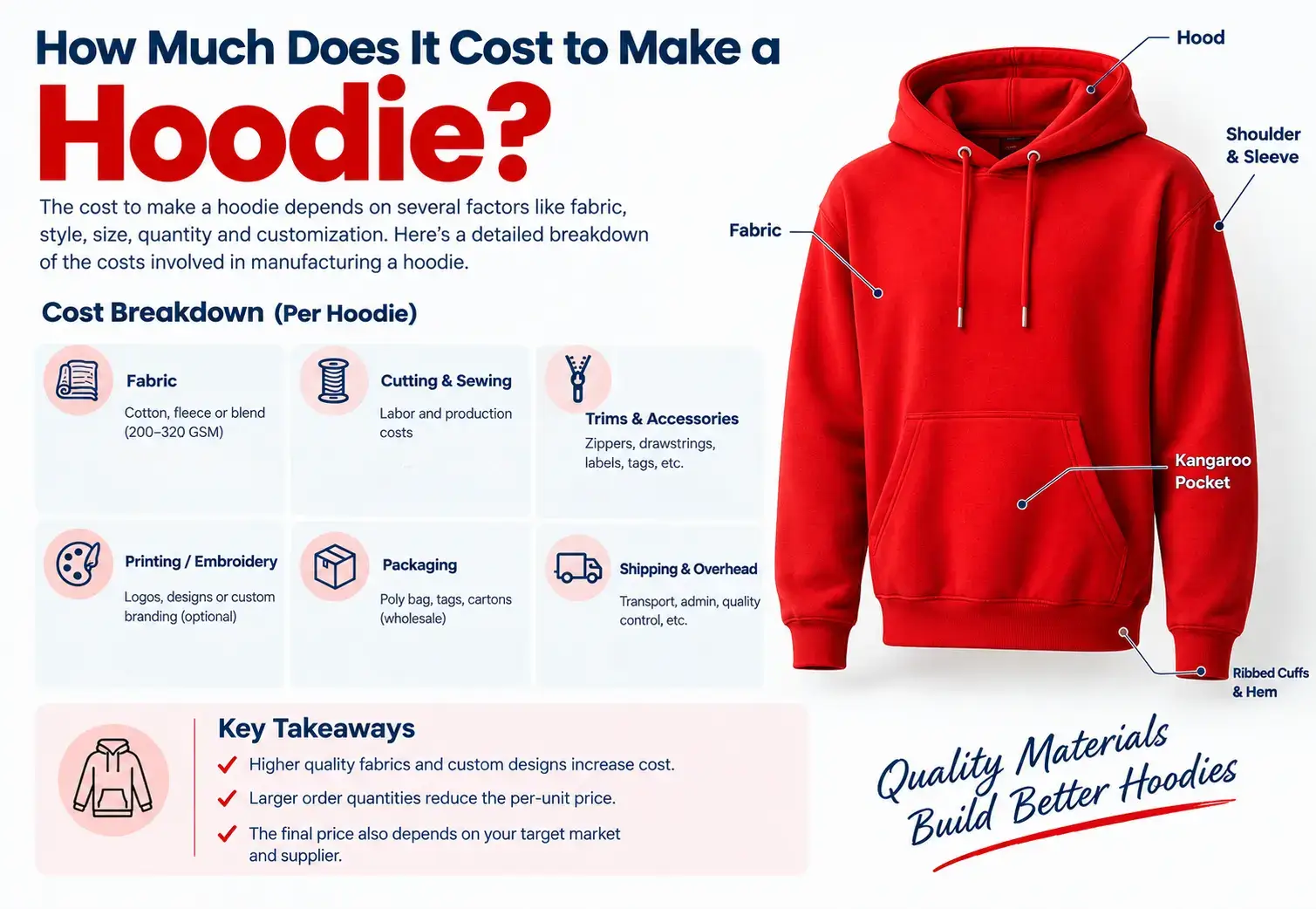
How Much Does It Cost to Make a Hoodie? A Complete Manufacturing Cost Guide A COMPLETE COST BREAKDOWN FOR CUSTOM

PARKA VS PUFFER JACKET: WHICH WINTER COAT SHOULD YOU CHOOSE? THE BATTLE OF TWO POPULAR WINTER COATS Choosing the right
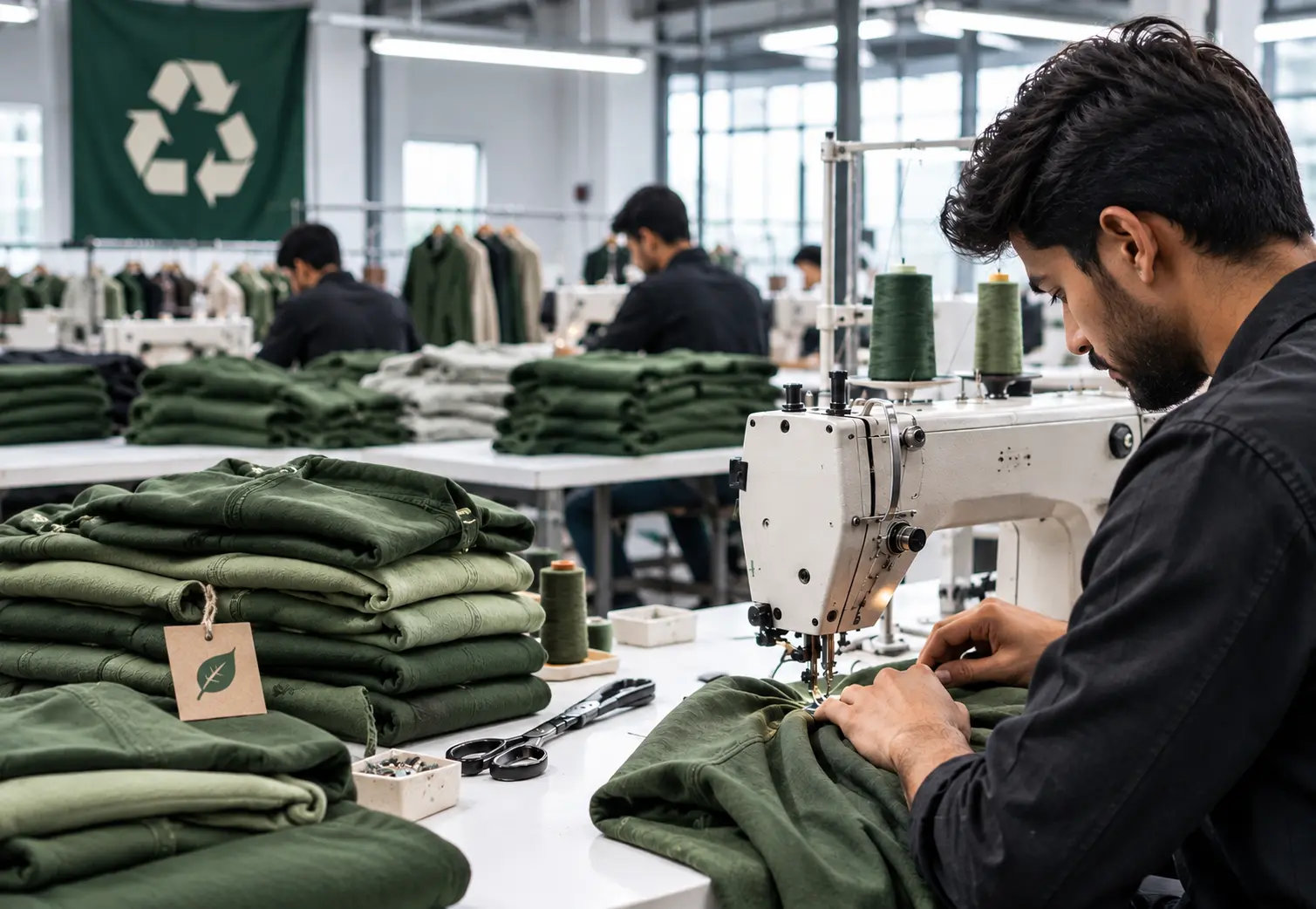
Sustainable Clothing Manufacturing: A Complete Guide to Fashion & Eco-Friendly Production EXPLORING ETHICAL SOURCING AND SUSTAINABLE TRANSFORMATION IN THE GLOBAL

Custom Clothing Manufcaturer
WhatsApp us