Sustainable Clothing Manufacturing
Sustainable Clothing Manufacturing: A Complete Guide to Fashion & Eco-Friendly Production EXPLORING ETHICAL SOURCING AND SUSTAINABLE TRANSFORMATION IN THE GLOBAL
When clothing brands choose fabric for a new apparel collection, they must consider more than appearance. Instead, they need to evaluate comfort, durability, breathability, maintenance, cost, and customer expectations.
Among the most popular textile materials, polyester and cotton continue to play a major role in the global apparel industry. Both fabrics offer unique benefits. However, they also perform differently in various clothing applications.
Therefore, understanding the difference between polyester, cotton, and polyester-cotton blends can help clothing brands make better product development decisions.
Whether you are creating custom T-shirts, sportswear, uniforms, activewear, or casual clothing, the right fabric can significantly improve your product quality and customer satisfaction.
At Tangibal Sports, we help international clothing brands, sportswear companies, wholesalers, and apparel businesses develop high-quality products with suitable fabric solutions. So, let’s explore the key differences between polyester and cotton and discover which material suits your clothing business best.
Polyester and cotton offer different characteristics because they come from different sources. Polyester comes from synthetic fibers, while cotton comes from a natural plant-based source.
As a result, both materials provide different levels of breathability, durability, moisture management, softness, and maintenance.
For clothing brands, this difference matters because fabric selection directly affects the performance and market value of the final garment.
Polyester is a synthetic fiber that supports many apparel categories, including sportswear, activewear, uniforms, workwear, and outdoor clothing.
Because polyester fibers offer excellent strength, they help garments resist shrinking, stretching, and wrinkling. Therefore, many clothing brands choose polyester for products that require long-lasting performance.
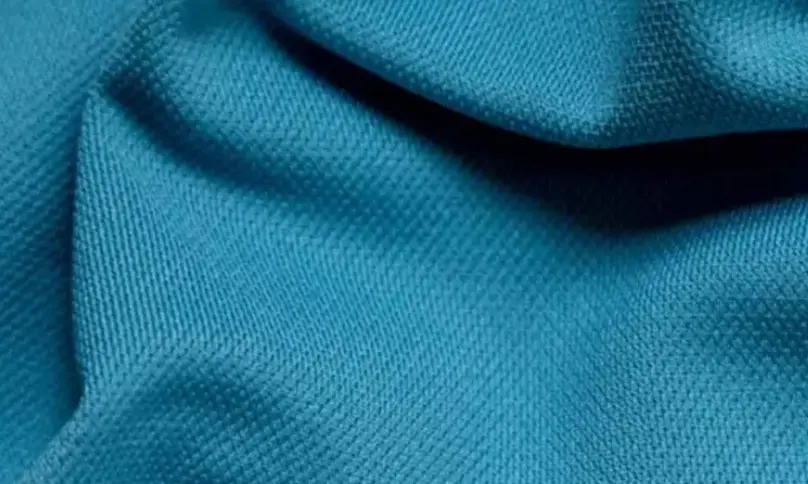
Cotton is a natural fiber that comes from cotton plants. For decades, clothing manufacturers have used cotton to create soft, breathable, and comfortable apparel.
Moreover, cotton feels comfortable against the skin. Therefore, brands often use it for T-shirts, casualwear, underwear, loungewear, and other everyday clothing.
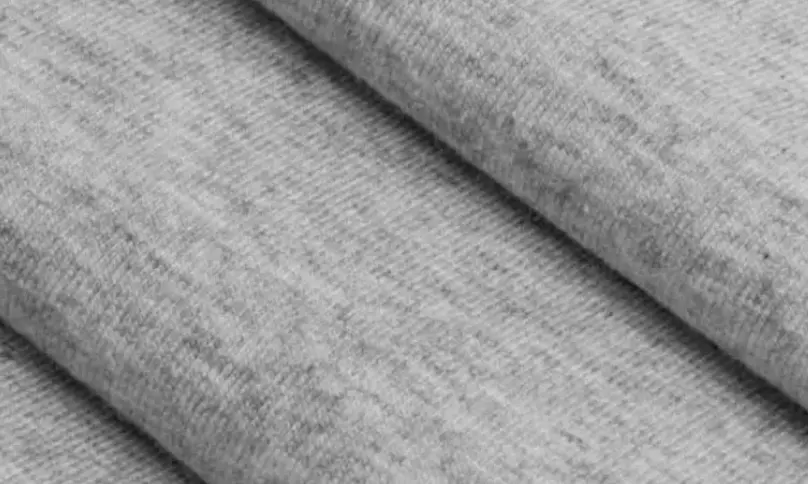
Polyester remains one of the most popular fabrics in modern apparel manufacturing. Its durability, quick-drying performance, and wrinkle resistance make it a strong choice for sportswear and performance clothing.
Polyester fibers provide excellent strength and durability. Unlike some natural fibers, polyester resists stretching, shrinking, and excessive wrinkling.
Consequently, polyester garments can handle frequent use and regular washing more effectively.
For this reason, clothing brands often choose polyester for:
One of polyester’s biggest advantages involves moisture management. Performance polyester fabrics help move moisture away from the skin. As a result, sweat can evaporate more efficiently.
Therefore, athletes and active consumers can enjoy greater comfort during workouts, training sessions, and sports activities.
For example, sportswear manufacturers commonly use polyester for:
Polyester fibers hold dye effectively. Consequently, polyester garments can maintain vibrant colors even after repeated washing.
This feature makes polyester especially valuable for clothing brands that need:
Moreover, vibrant colors help sportswear brands create more visually attractive products for competitive markets.
Polyester dries faster than many natural fabrics. Therefore, it works particularly well for activewear, sportswear, swimwear, and clothing used in humid conditions.
In addition, quick-drying fabric provides greater convenience for athletes and consumers who wash their clothing frequently.
Polyester offers a practical balance between performance and manufacturing cost. Because of its durability and versatility, it remains a popular choice for apparel brands and manufacturers.
However, polyester also has some limitations. Compared with some natural fabrics, it may offer less breathability in certain fabric constructions. Furthermore, traditional polyester comes from petroleum-based resources, which creates sustainability concerns.
Fortunately, recycled polyester now provides a more sustainable alternative for modern apparel brands.
Cotton remains one of the most popular natural fibers in the global apparel industry. Its softness, breathability, and comfortable feel make it a preferred option for everyday clothing.
For clothing brands, cotton works particularly well for T-shirts, casualwear, loungewear, underwear, and other garments that sit directly against the skin.
Cotton provides a naturally soft texture that feels comfortable against the skin. Therefore, brands frequently choose cotton for:
In addition, cotton’s soft texture helps brands create products that consumers enjoy wearing for extended periods.
Cotton allows air to move through the fabric. As a result, cotton clothing can help improve comfort in warm conditions.
Therefore, many clothing brands choose cotton for summer collections and everyday apparel.
Cotton comes from a natural plant-based source. Moreover, cotton fibers can biodegrade under suitable conditions.
However, conventional cotton farming can require significant water and agricultural resources. Therefore, clothing brands should explore responsible and more sustainable cotton options when developing environmentally conscious apparel collections.
Cotton absorbs moisture effectively. Consequently, it works well for towels, casual clothing, summer apparel, and other products that require absorbency.
However, high absorbency also means that cotton can take longer to dry than polyester.
Although cotton offers excellent comfort, it can shrink and wrinkle if consumers do not follow proper care instructions.
Furthermore, pure cotton may wear faster than polyester in products that experience frequent washing, intense activity, or heavy use.
Therefore, many apparel brands choose blended fabrics to create a better balance between comfort and durability.
A polyester-cotton blend combines the natural comfort of cotton with the durability and easy-care performance of polyester.
As a result, this fabric combination has become a popular choice for clothing brands and apparel manufacturers worldwide.
A common blend contains 65% cotton and 35% polyester. However, manufacturers can adjust the ratio according to the product’s intended use and desired performance.
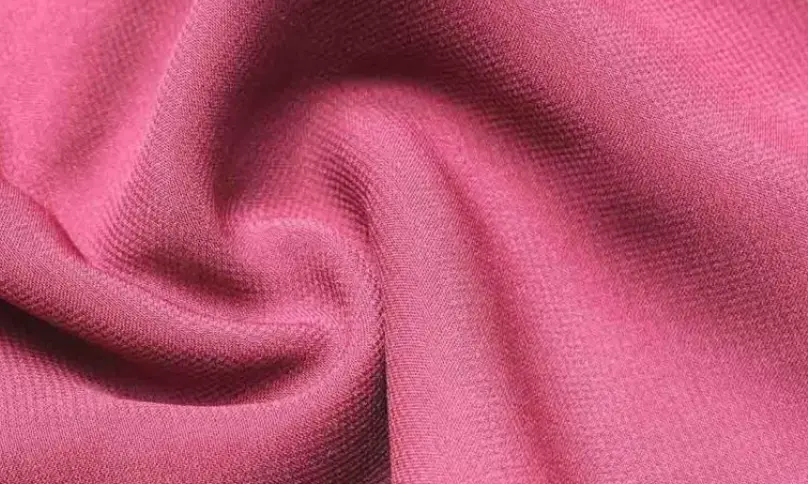
The polyester content adds strength to the fabric. Consequently, polyester-cotton blends generally resist shrinking, stretching, and excessive wear better than pure cotton.
Therefore, brands often use these blends for:
The cotton content maintains softness and breathability. Meanwhile, polyester improves strength and shape retention.
Therefore, the blend offers a comfortable feel without sacrificing practical performance.
Polyester helps reduce wrinkles and improve fabric stability. As a result, polyester-cotton garments usually require less ironing and maintain their shape more effectively.
Furthermore, the blend generally shrinks less than 100% cotton when consumers follow proper washing instructions.
Polyester-cotton blends work across many apparel categories. For example, clothing brands can use them to develop:
Because the fabric combines comfort, durability, and affordability, it remains a practical choice for both consumers and manufacturers.
The ratio of polyester to cotton directly affects the final fabric characteristics. Therefore, clothing brands should choose the blend according to the product’s intended use.
A 50/50 blend creates a balanced combination of comfort and durability.
This ratio provides:
Therefore, it works well for everyday apparel, uniforms, and general-purpose clothing.
A 65/35 blend contains more cotton, which creates a softer and more comfortable feel.
At the same time, the polyester content improves durability, wrinkle resistance, and shape retention.
Consequently, this ratio remains popular for:
An 80/20 blend provides a stronger cotton feel and increased softness.
However, because this blend contains less polyester, it may provide slightly less wrinkle resistance and durability than blends with a higher polyester content.
Therefore, clothing brands often choose this ratio when softness and natural comfort remain their main priorities.
Proper care helps extend garment life and maintain fabric quality. Therefore, consumers and clothing brands should follow suitable care instructions.
Use cool or lukewarm water with a gentle wash cycle. Avoid excessive heat because high temperatures can weaken fibers and increase the risk of shrinkage.
Choose a low tumble-dry setting or air-dry the garment whenever possible.
Because polyester dries quickly, high heat usually offers little benefit. Instead, excessive heat can damage the fabric over time.
If ironing becomes necessary, use a low-temperature setting.
High heat can damage polyester fibers. Therefore, always check the garment care label before ironing.
Address stains as soon as possible. Apply a suitable stain remover and wash the garment according to the care instructions.
Consequently, early stain treatment can help prevent permanent marks.
Sustainability now plays an increasingly important role in apparel manufacturing. Therefore, clothing brands must carefully consider the environmental impact of their fabric choices.
Cotton comes from a renewable natural source and can biodegrade under suitable conditions. However, conventional cotton production can require significant water and agricultural resources.
On the other hand, traditional polyester comes from petroleum-based resources. Nevertheless, recycled polyester offers a more sustainable alternative by using recycled materials such as post-consumer plastic bottles.
As a result, many modern apparel brands now explore:
Furthermore, sustainable fabric choices can help brands respond to growing consumer interest in responsible fashion.
The right fabric depends on the product’s purpose, target audience, performance requirements, and brand positioning.
Therefore, polyester works especially well for activewear, teamwear, outdoor apparel, and work uniforms.
Consequently, cotton works well for T-shirts, casualwear, underwear, and garments that require a soft feel.
Ultimately, a polyester-cotton blend provides a practical solution for clothing brands that want a balance between comfort and performance.
At Tangibal Sports, we understand that fabric selection directly affects the success of an apparel collection.
Therefore, we work with international clothing brands, sportswear businesses, wholesalers, and apparel companies to develop products according to their specific requirements.
Our manufacturing services include:
Whether you need performance polyester for sportswear, comfortable cotton for casual apparel, or a durable polyester-cotton blend for uniforms, our team can help you select the right solution.
Moreover, our manufacturing experience allows us to support brands from product development and sampling to bulk production and international shipping.
Polyester and cotton each offer valuable advantages. Polyester provides durability, quick-drying performance, color retention, and easy maintenance. Meanwhile, cotton delivers softness, breathability, and natural comfort.
However, polyester-cotton blends combine the strengths of both materials. Therefore, they remain an excellent option for clothing brands that need a practical balance between comfort, durability, affordability, and performance.
Ultimately, the best fabric depends on your product requirements and target market. Whether you are developing sportswear, uniforms, T-shirts, activewear, or casual clothing, choosing the right fabric can significantly improve product quality and customer satisfaction.
At Tangibal Sports, we help international clothing brands and apparel businesses develop high-quality garments with suitable fabric solutions. In addition, our team supports brands with custom apparel manufacturing, OEM production, private labeling, and bulk clothing manufacturing.
Polyester often works better for sportswear because it offers durability, quick-drying performance, and effective moisture management. However, the best fabric depends on the specific product design and performance requirements.
Yes. A polyester-cotton blend combines the softness and breathability of cotton with the durability and easy-care benefits of polyester. Therefore, it works well for T-shirts, uniforms, casualwear, and everyday clothing.
The best fabric depends on the product category, target market, budget, and performance requirements. For example, polyester works well for sportswear, cotton suits comfortable everyday apparel, and polyester-cotton blends provide a balanced solution for versatile clothing products.

Custom Clothing Manufcaturer
Sustainable Clothing Manufacturing: A Complete Guide to Fashion & Eco-Friendly Production EXPLORING ETHICAL SOURCING AND SUSTAINABLE TRANSFORMATION IN THE GLOBAL

Custom Ice Hockey Jersey & Uniform Supplier Worldwide Ice Hockey Jersey & Uniform Supplier Worldwide Ice hockey teams, sportswear brands,
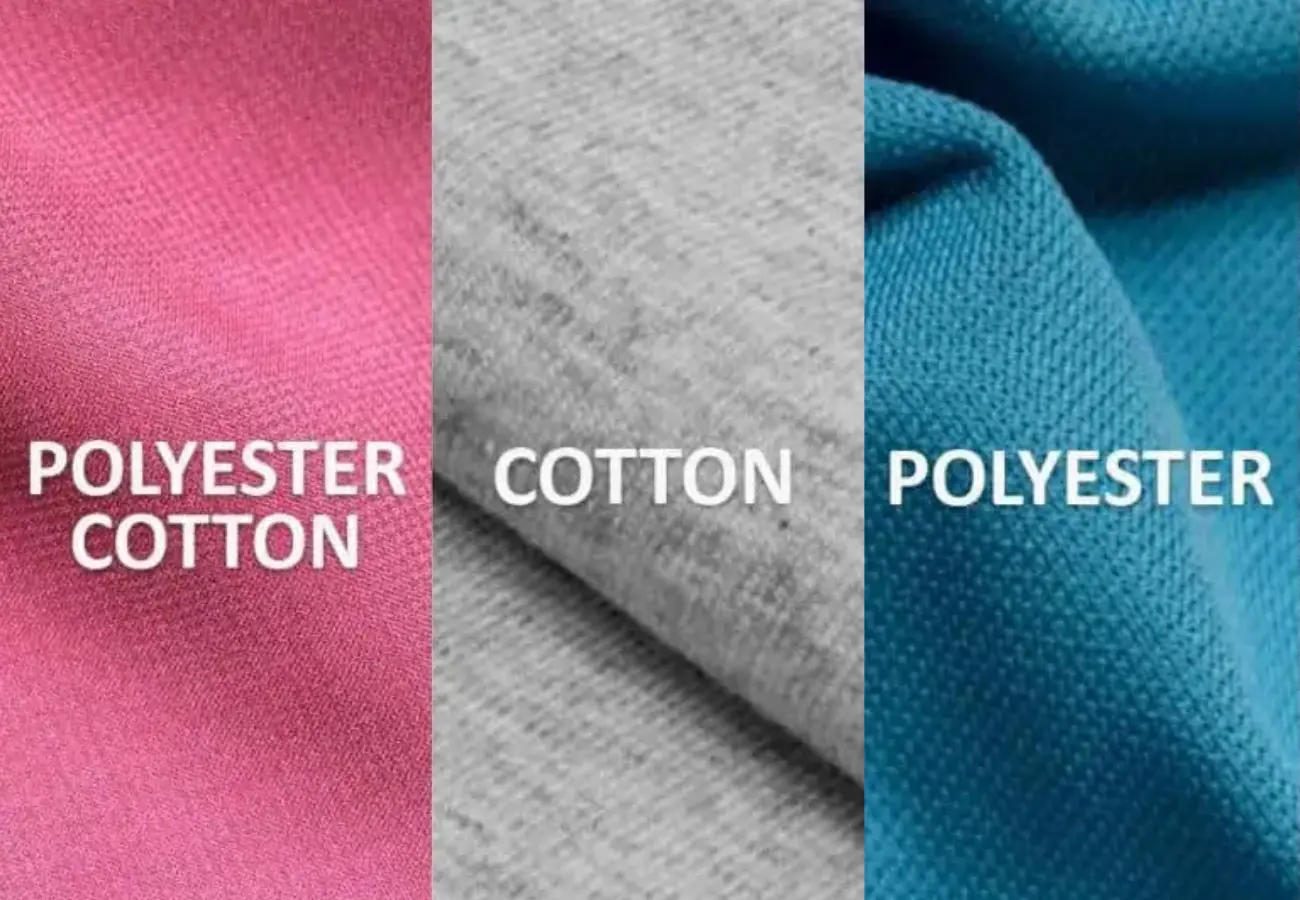
Polyester vs Cotton Fabric: A Complete Guide Choosing the Right Fabric for Your Clothing Brand When clothing brands choose fabric

Clothing Samples Guide: Types, Process & Importance BEFORE YOU START GARMENT PRODUCTION: EVERYTHING YOU NEED TO KNOW ABOUT CLOTHING SAMPLES

Custom Clothing Manufcaturer
WhatsApp us