Blogs
Custom T-Shirts with Low Minimums | Tangibal Sports
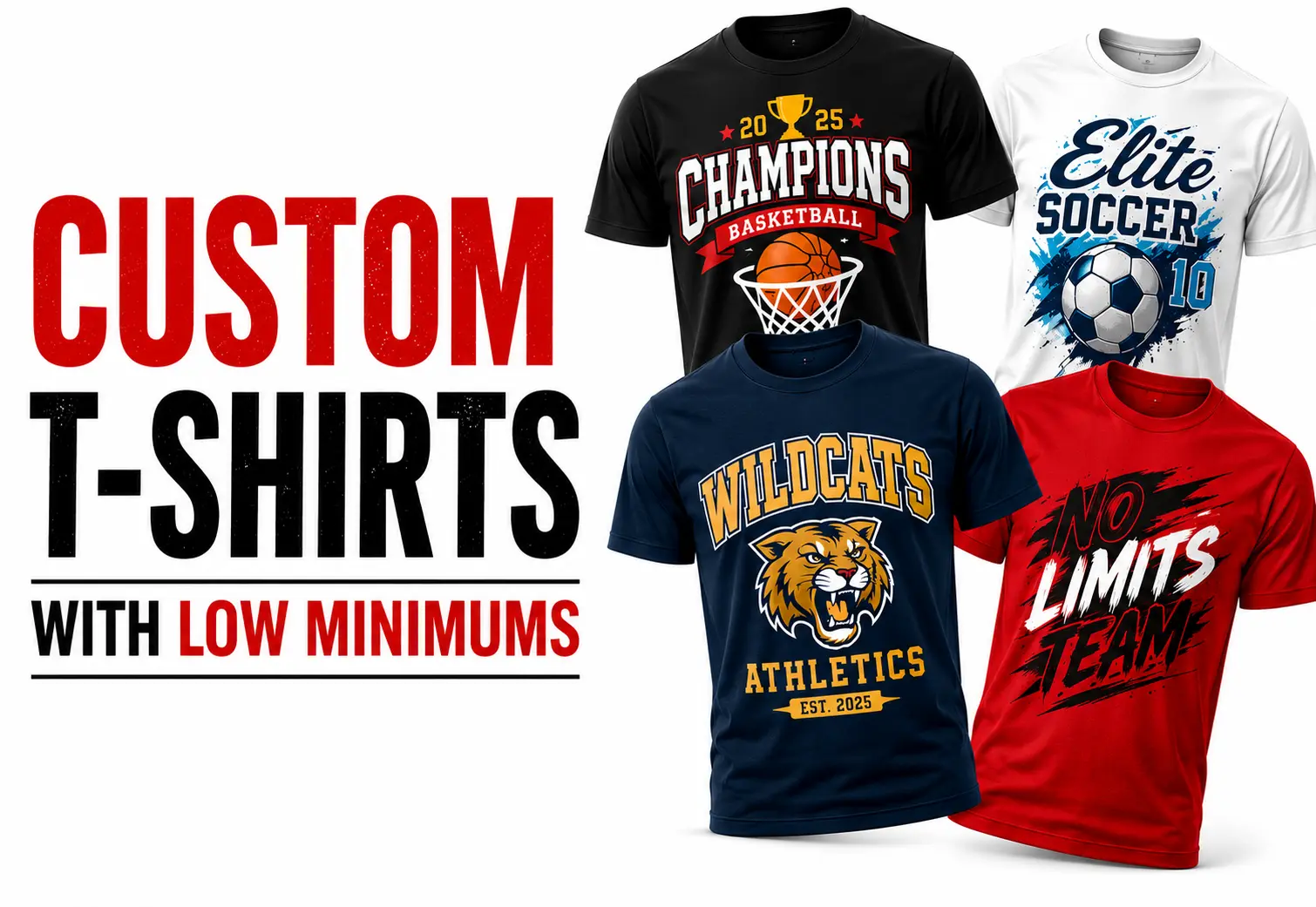
Where to Order Custom T-Shirts with Low Minimums Worldwide T-shirts remain one of the most versatile products in the global
Launching a clothing brand without reviewing a production sample can lead to costly mistakes. Poor garment fit, inconsistent sizing, low-quality stitching, fabric issues, and incorrect colors often create customer dissatisfaction and increase product returns. Therefore, every successful fashion brand should treat clothing sampling as an essential step before starting bulk apparel production.
Moreover, garment samples allow brands to evaluate fabric quality, construction, measurements, printing, embroidery, trims, and overall workmanship before mass manufacturing begins. As a result, businesses can identify potential issues early, reduce production risks, and avoid expensive corrections later in the process.
In addition, clothing samples improve communication between brands and manufacturers by ensuring both parties follow the same product specifications. This approach minimizes misunderstandings and helps deliver products that meet international quality standards.
Furthermore, investing in professional garment sampling saves time, protects your budget, and strengthens your brand reputation. Instead of dealing with production errors after manufacturing, businesses can refine every detail before placing large orders.
Whether you own a startup fashion label, an established apparel brand, or an eCommerce clothing business, reviewing clothing samples before bulk production helps you maintain consistent quality, improve customer satisfaction, and compete successfully in global fashion markets.
Clothing samples play a crucial role in every successful apparel manufacturing project. Before launching bulk production, fashion brands use garment samples to evaluate design accuracy, fabric quality, construction, sizing, and overall product performance. Therefore, clothing sampling helps businesses identify potential issues early and reduce costly production mistakes.
Moreover, garment samples allow brands to test different fabrics, trims, printing methods, embroidery, and finishing techniques before placing large orders. As a result, manufacturers and brands can work together more efficiently while maintaining consistent product quality.
In addition, clothing samples improve communication throughout the product development process. Every sample provides valuable feedback that helps refine the final product and ensures it meets customer expectations. Whether you own a startup clothing brand or manage an established fashion business, garment sampling remains one of the most effective ways to improve quality, reduce risk, and achieve successful bulk apparel production.
Every clothing sample serves a unique purpose during apparel product development. Understanding each sample type helps brands make informed decisions, control production costs, and maintain consistent quality standards.
A proto sample represents the first physical version of a garment. Product developers use this sample to evaluate the overall design, garment construction, proportions, and style details before moving to advanced development stages.
Furthermore, designers review the sample to identify improvements in fit, stitching, and functionality. Consequently, brands can refine product specifications before investing in additional development.
A fit sample helps brands evaluate garment measurements, sizing accuracy, and overall fit on a model or fit mannequin.
Moreover, this sample confirms that the garment delivers the intended comfort and appearance across the target size range. Therefore, manufacturers can make accurate fit adjustments before production begins.
A size set sample includes multiple garment sizes to verify grading consistency across the complete size range.
In addition, brands use these samples to confirm that every size maintains the same proportions, fit, and construction quality. As a result, customers receive consistent sizing regardless of the garment size they purchase.
A salesman sample supports marketing, retail presentations, wholesale meetings, trade shows, and buyer approvals.
Furthermore, brands use these samples to showcase product quality before production starts. Consequently, buyers can evaluate materials, design details, and craftsmanship with confidence.
The pre-production sample represents the final approved garment before bulk manufacturing begins. This sample includes approved fabrics, trims, labels, prints, embroidery, packaging, and finishing details.
Moreover, production teams use the PPS as the quality benchmark throughout manufacturing. Therefore, every garment should match this approved sample.
A shipment sample comes directly from the completed production batch before international delivery.
Additionally, brands inspect this sample to verify workmanship, measurements, labeling, packaging, and overall quality before shipment. As a result, businesses reduce quality claims and maintain customer satisfaction.
Clothing samples provide a reliable quality control process before mass production starts. Therefore, brands can identify manufacturing issues while production costs remain low.
Moreover, garment sampling improves communication between brands and manufacturers by ensuring both parties follow the same product specifications. Consequently, businesses reduce misunderstandings and improve production efficiency.
Preparing accurate clothing samples starts with detailed planning. Therefore, brands should finalize every product specification before requesting a sample from a clothing manufacturer. A clear product brief minimizes production errors, speeds up development, and ensures that the final garment matches your expectations.
Moreover, providing complete information allows manufacturers to understand your requirements from the beginning. As a result, brands reduce revisions, save production costs, and shorten development timelines.
Create a comprehensive tech pack that includes garment measurements, construction details, stitching methods, artwork placement, color codes, fabric specifications, trims, and labeling instructions. Furthermore, a complete tech pack helps manufacturers produce accurate samples and maintain consistency throughout production.
Choose fabrics, linings, trims, buttons, zippers, labels, and accessories before sampling begins. In addition, confirm fabric weight, texture, composition, and performance to ensure the final garment meets your quality expectations.
Define clear quality standards for stitching, measurements, finishing, printing, embroidery, color consistency, and packaging. Consequently, manufacturers can follow measurable quality benchmarks during production.
Prepare all branding elements, including woven labels, neck labels, care labels, hang tags, packaging, logo placement, embroidery files, and print artwork. Moreover, detailed branding guidelines help create a consistent brand identity across every product.
Provide a complete measurement chart with grading specifications and acceptable tolerances for every garment size. As a result, manufacturers can develop accurate fit samples and maintain consistent sizing throughout bulk production.
Garment development usually requires several sample revisions before production approval. Therefore, brands should allocate enough time for testing, evaluation, and product refinement.
The first sample focuses on garment construction, silhouette, design accuracy, and overall appearance. Designers use this stage to evaluate the initial concept and identify necessary improvements.
Finally, manufacturers produce the approved pre-production sample using production-ready materials and techniques. This sample becomes the quality standard for bulk manufacturing.
Many fashion brands view garment samples as an additional expense. However, professional sampling reduces production risks and prevents costly mistakes during bulk manufacturing.
Moreover, clothing samples allow brands to verify product quality before placing large production orders. As a result, businesses avoid expensive corrections, minimize product returns, and protect their brand reputation.
In addition, early product validation improves customer satisfaction and creates a more efficient manufacturing process. Therefore, investing in high-quality garment samples delivers long-term value for fashion brands.
Even experienced fashion brands sometimes make avoidable sampling mistakes. Therefore, understanding these challenges helps businesses improve product quality and reduce production delays.
Provide clear product specifications instead of general descriptions. Moreover, include detailed measurements, construction notes, artwork, and reference images to eliminate confusion.
Always test fabric quality before approving a sample. In addition, evaluate shrinkage, colorfastness, durability, breathability, stretch, and overall performance under real conditions.
Test every sample on the intended customer size or professional fit model. Consequently, brands can verify comfort, sizing accuracy, and garment proportions before production begins.
Review labels, buttons, zippers, embroidery, printing, packaging, and logo placement carefully. Furthermore, consistent branding strengthens product value and improves customer recognition.
Inspect garment colors under natural daylight, indoor lighting, and commercial lighting environments. As a result, brands can identify color variations before production.
Document every revision and communicate all changes in writing. Moreover, updated tech packs and approval notes help manufacturers follow the latest specifications accurately.
Avoid approving samples too quickly. Instead, review every detail carefully, gather feedback, and complete all necessary revisions. Consequently, brands achieve higher product quality, reduce manufacturing risks, and launch collections with confidence.
Before approving a clothing sample for bulk production, brands should complete a detailed quality review. Therefore, every sample must meet your technical requirements, quality standards, and branding expectations before manufacturing begins.
Moreover, document every revision before approving the sample. Once bulk production begins, making changes becomes more expensive and can delay delivery schedules.
Clothing samples serve as the foundation of successful apparel manufacturing. They help fashion brands verify product quality, improve communication with manufacturers, and reduce production risks before placing bulk orders.
Furthermore, professional garment sampling allows businesses to test fabric performance, garment construction, fit, branding, and finishing before large-scale production starts. As a result, brands reduce costly mistakes, improve customer satisfaction, and maintain consistent product quality.
In addition, investing in high-quality clothing samples strengthens your brand reputation and supports long-term business growth. Whether you manage an emerging fashion label or an established apparel brand, a structured sampling process helps you launch products with confidence and compete successfully in global markets.
Yes. A detailed tech pack provides essential production instructions, but a clothing sample allows you to verify garment fit, fabric quality, stitching, construction, branding, and overall workmanship before bulk production begins. Therefore, every apparel brand should approve a physical sample before placing a large order.
Reordering the same product may reduce development time, but reviewing a new sample remains a smart practice. Fabric batches, trims, colors, and production conditions can change over time. Therefore, checking an updated sample helps maintain consistent quality and protects your brand standards.
Manufacturers create clothing samples individually instead of producing them in large quantities. In addition, product development, pattern making, testing, revisions, and manual adjustments increase the production cost. However, this investment helps prevent expensive manufacturing errors and improves overall product quality.

Custom Clothing Manufcaturer
Where to Order Custom T-Shirts with Low Minimums Worldwide T-shirts remain one of the most versatile products in the global
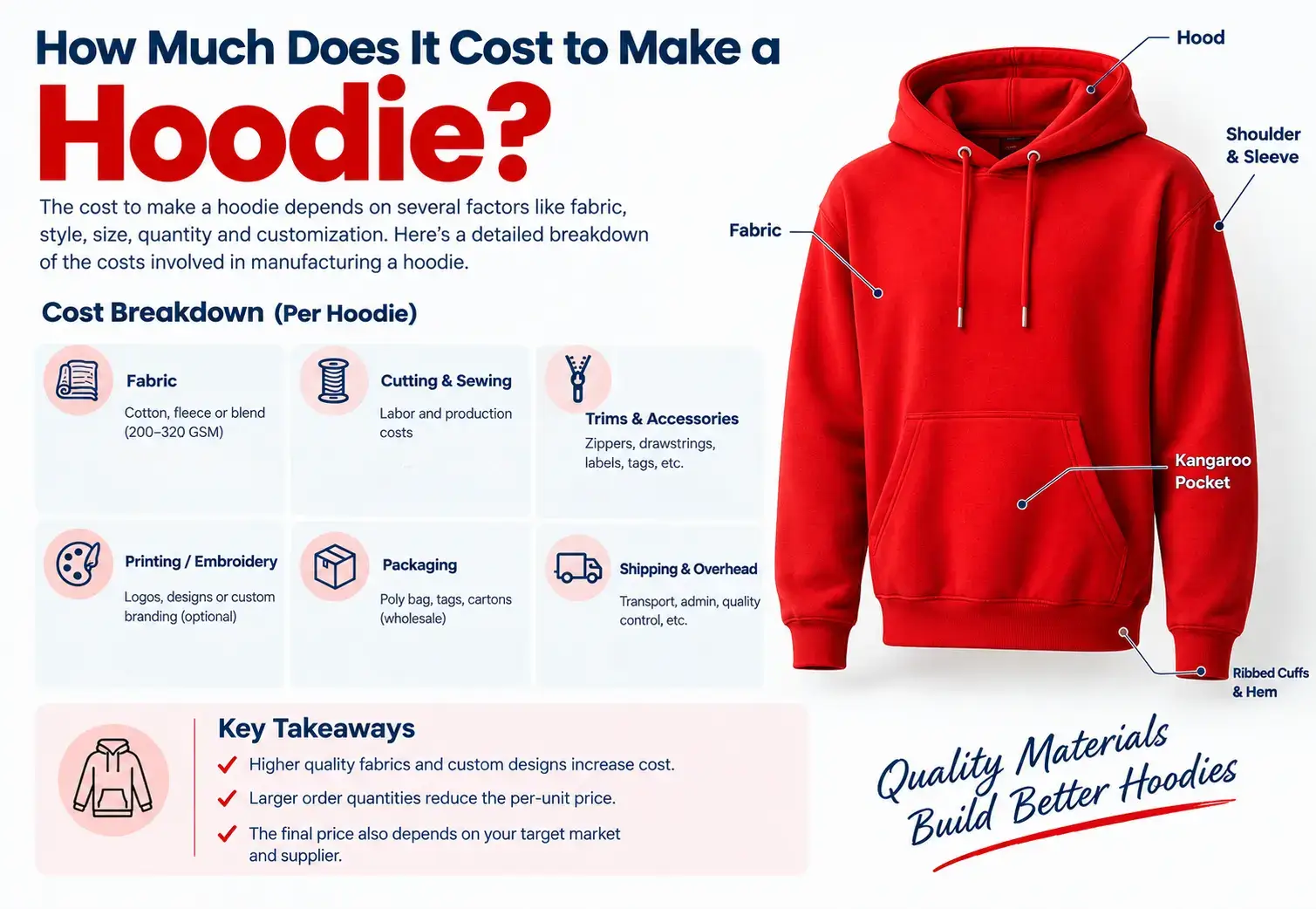
How Much Does It Cost to Make a Hoodie? A Complete Manufacturing Cost Guide A COMPLETE COST BREAKDOWN FOR CUSTOM
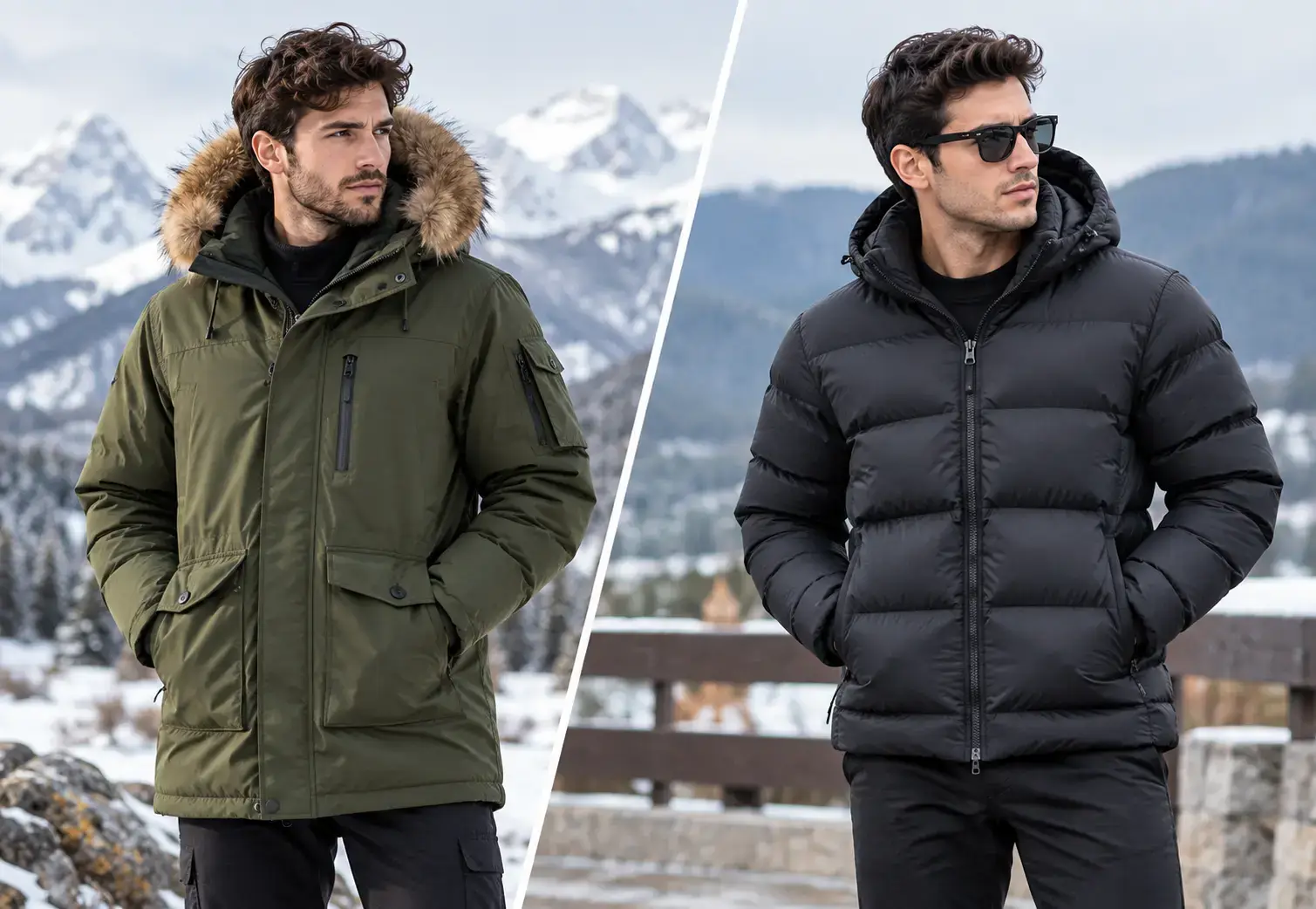
PARKA VS PUFFER JACKET: WHICH WINTER COAT SHOULD YOU CHOOSE? THE BATTLE OF TWO POPULAR WINTER COATS Choosing the right
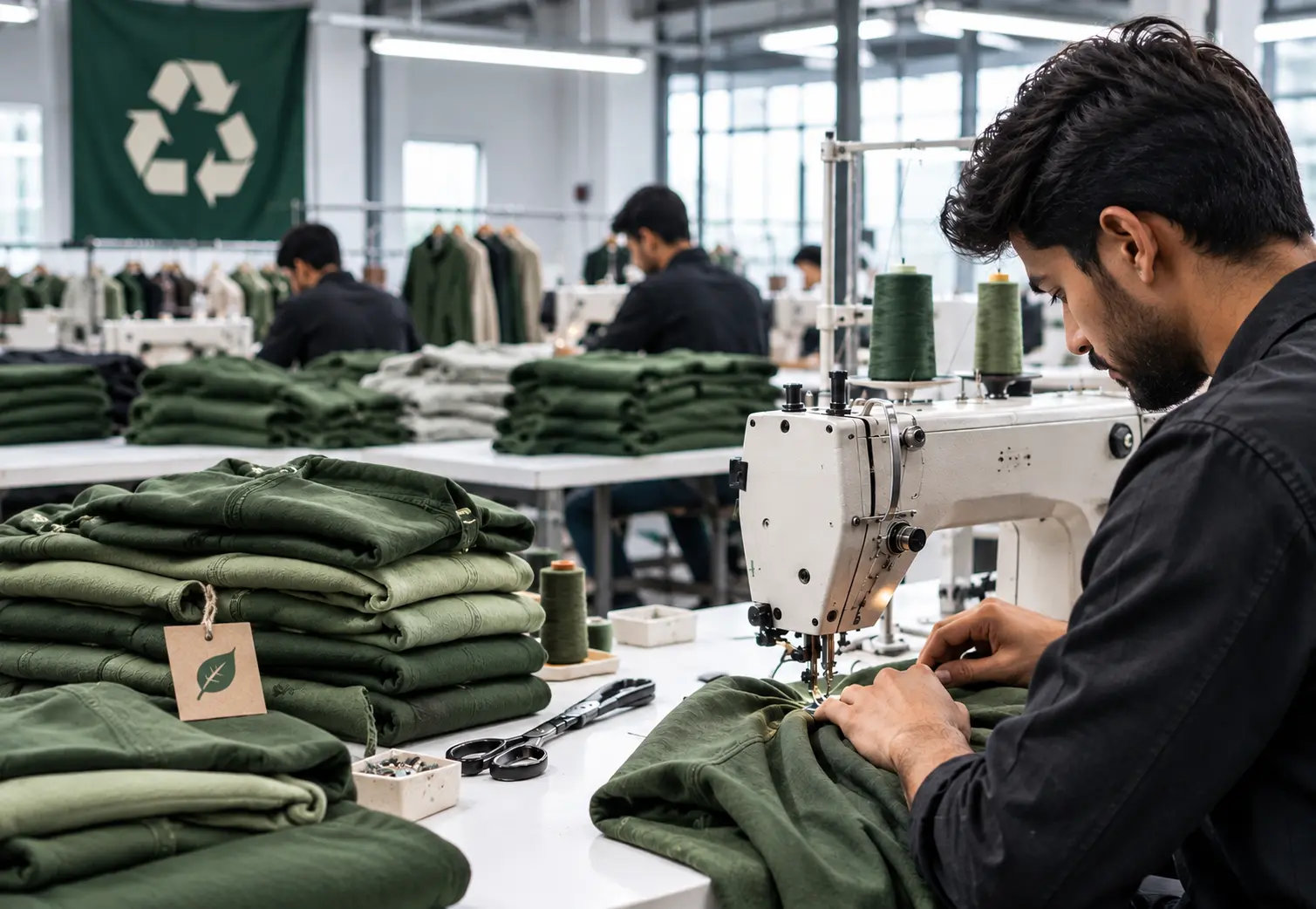
Sustainable Clothing Manufacturing: A Complete Guide to Fashion & Eco-Friendly Production EXPLORING ETHICAL SOURCING AND SUSTAINABLE TRANSFORMATION IN THE GLOBAL

Custom Clothing Manufcaturer
WhatsApp us