
What Is Private Label Clothing
HOW PRIVATE LABEL CLOTHING CAN TRANSFORM YOUR BRAND: A COMPLETE GUIDE FOR GLOBAL BUSINESS SUCCESS
Private label clothing offers fashion brands a powerful opportunity to build a unique identity in the highly competitive global apparel market. Instead of investing heavily in manufacturing infrastructure, businesses can partner with experienced manufacturers to produce high-quality garments based on their exact specifications. As a result, brands gain full control over design, quality standards, and pricing strategies without managing complex production facilities. Moreover, private label manufacturing allows companies to respond quickly to changing fashion trends and consumer demands. This flexibility helps brands launch new collections faster and stay ahead in dynamic markets across Europe and North America. In addition, businesses can target niche audiences more effectively by customizing products according to specific market preferences. Another key advantage lies in cost efficiency. By outsourcing production, brands reduce operational expenses while maintaining product quality. Consequently, they can allocate more resources toward branding, marketing, and customer experience. This approach not only strengthens brand positioning but also improves long-term profitability.
However, businesses must also consider potential challenges. For instance, reliance on third-party manufacturers may create risks related to quality consistency and supply chain reliability. Therefore, selecting a trusted and experienced manufacturing partner becomes essential for maintaining brand standards and ensuring smooth operations. Furthermore, private label clothing supports scalability. As demand grows, brands can increase production volumes without significant infrastructure investment. This capability enables companies to expand into new international markets with greater confidence.
Table of Contents
WHAT DOES PRIVATE LABEL MEAN AND HOW IT CAN STRENGTHEN YOUR BRAND IDENTITY?
Private label clothing allows businesses to sell products under their own brand name while outsourcing production to specialized manufacturers. In today’s global fashion industry, this model helps brands build a unique identity without investing in costly manufacturing infrastructure. Moreover, private label production enables companies to maintain full control over design, quality standards, and pricing strategies. As a result, brands can align their products with target market expectations and deliver consistent value across international markets.
In addition, businesses can respond quickly to changing fashion trends by working closely with experienced manufacturers. This flexibility allows brands to launch new collections faster and stay competitive in dynamic regions such as Europe and North America. Furthermore, private label clothing supports product differentiation. Instead of selling generic items, brands can develop customized apparel that reflects their vision and appeals to specific customer segments. Therefore, companies can strengthen brand recognition and increase customer loyalty over time.
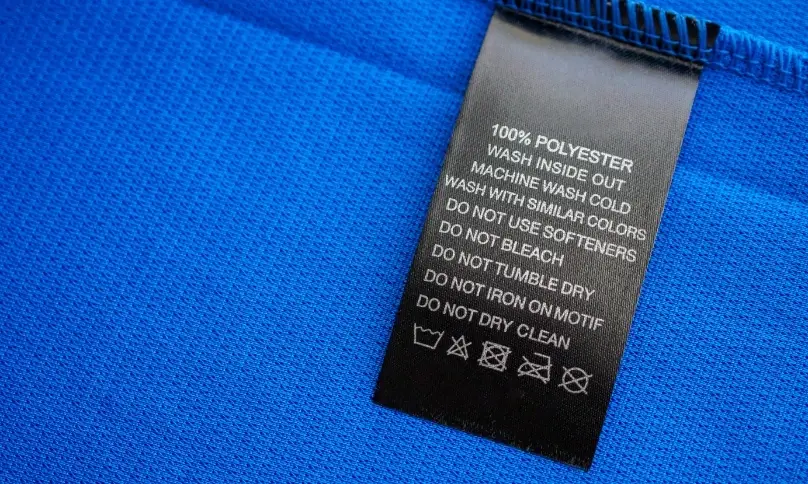
WHO IS A PRIVATE LABEL CLOTHING MANUFACTURER AND WHY THEY MATTER FOR GLOBAL FASHION SUCCESS?
A private label clothing manufacturer specializes in producing garments for other brands based on their specifications. These manufacturers handle everything from fabric sourcing and product development to production and delivery. Consequently, brands can focus on marketing, branding, and business growth while experts manage the technical side of apparel production. Moreover, experienced manufacturers bring industry knowledge, advanced production capabilities, and access to global supply chains. This expertise ensures that every product meets high-quality standards and complies with international market requirements.
In addition, manufacturers help brands optimize production efficiency by reducing lead times and minimizing errors. As a result, businesses can scale operations more effectively and meet growing demand across global markets. Therefore, choosing the right manufacturing partner plays a crucial role in achieving long-term success in the competitive fashion industry.
MAXIMIZE YOUR BRAND POTENTIAL: KEY BENEFITS OF PRIVATE LABEL CLOTHING MANUFACTURING
In a highly competitive global market, brands must adopt smart strategies to stand out. Private label clothing manufacturing offers a powerful solution by combining flexibility, efficiency, and customization. Furthermore, this model allows businesses to create unique product lines that reflect current trends and customer preferences. As a result, brands can increase market share and build a strong competitive position. Below are the key advantages that make private label manufacturing a preferred choice for global apparel brands.
CUSTOMIZED PRODUCT DESIGN
Private label manufacturing gives brands full control over product design. Businesses can select fabrics, colors, styles, and finishing details according to their brand identity. Moreover, customization helps companies differentiate their products in crowded markets. As a result, brands can target specific customer segments and deliver personalized fashion experiences. In addition, unique designs strengthen brand positioning and improve customer retention. Therefore, customization plays a key role in building long-term brand value.
QUALITY CONTROL
Strong quality control ensures that every product meets brand standards and customer expectations. Reliable manufacturers follow strict production processes and quality checks throughout the manufacturing cycle. Furthermore, consistent quality improves customer satisfaction and builds trust in the brand. As a result, businesses can reduce returns and strengthen their reputation in international markets. In addition, high-quality products support premium pricing strategies, which can increase overall profitability.
COST-EFFECTIVE SOLUTIONS
Private label manufacturing reduces operational costs by eliminating the need for in-house production facilities. As a result, brands can invest more in marketing, branding, and customer acquisition. Moreover, flexible production options allow businesses to scale operations based on demand. This adaptability helps brands manage inventory efficiently and avoid overproduction. In addition, competitive manufacturing costs enable companies to offer high-quality products at attractive price points. Therefore, private label production becomes a strategic advantage for growing fashion brands in global markets.
FASTER TIME TO MARKET
In today’s fast-moving global fashion industry, speed defines success. Private label clothing manufacturers help brands reduce product development timelines and move from concept to market much faster. As a result, businesses can respond quickly to seasonal trends and changing consumer demand. Moreover, experienced manufacturers streamline production workflows and manage efficient supply chains. Therefore, brands can launch collections on time and maintain a competitive edge in international markets. In addition, faster turnaround allows companies to test new designs and scale successful products without delay.
FOCUS ON CORE BUSINESS OPERATIONS
Partnering with a private label manufacturer allows brands to focus on high-value business activities. Instead of managing production complexities, companies can prioritize branding, marketing, and sales strategies. Consequently, businesses improve efficiency and allocate resources toward growth-driven initiatives. Furthermore, outsourcing production reduces operational burden and simplifies supply chain management. As a result, teams can concentrate on customer acquisition, brand positioning, and global expansion.
BRAND EXCLUSIVITY
Private label manufacturing enables brands to create exclusive products that stand out in competitive markets. Companies can design unique apparel that reflects their identity and meets specific customer preferences. Therefore, businesses can differentiate themselves and build strong brand recognition.
In addition, exclusive product offerings increase customer loyalty and encourage repeat purchases. Moreover, brands can establish a premium market position by delivering distinctive designs that competitors cannot easily replicate.
ACCESS TO INDUSTRY EXPERTISE
Working with experienced private label manufacturers provides access to valuable industry knowledge and technical expertise. These professionals understand global fashion trends, fabric selection, and advanced production techniques. As a result, brands can improve product quality and align offerings with international standards.
Furthermore, manufacturers use data-driven insights to optimize production processes and reduce errors. Consequently, businesses achieve better efficiency and maintain consistent product performance across different markets.
CRUCIAL INSIGHTS FOR WORKING WITH A PRIVATE LABEL APPAREL MANUFACTURER
Private label clothing offers significant growth opportunities; however, brands must follow a strategic approach to maximize results. Therefore, understanding key collaboration principles helps businesses build strong partnerships and achieve long-term success in global markets. Below are essential factors that ensure effective cooperation with private label manufacturers.

UNDERSTANDING YOUR BRAND IDENTITY AND GOALS
Before partnering with a manufacturer, define your brand identity, target audience, and product positioning. For example, determine whether your brand focuses on premium fashion, sustainable clothing, or niche apparel segments. Moreover, clear brand direction helps manufacturers align production with your vision. As a result, businesses can avoid costly revisions and ensure consistent product development.
ESTABLISH CLEAR COMMUNICATION
Effective communication plays a critical role in successful manufacturing partnerships. Brands should clearly communicate product requirements, timelines, pricing expectations, and quality standards. In addition, regular updates help prevent misunderstandings and keep production on track. Furthermore, open communication builds trust and strengthens long-term collaboration. Therefore, both parties can work efficiently toward shared business goals.
DEFINE PRODUCT SPECIFICATIONS
Accurate product specifications ensure smooth production and consistent quality. Brands must provide detailed information about materials, sizes, colors, labels, and packaging. As a result, manufacturers can execute designs precisely without confusion. Moreover, using structured spec sheets reduces errors and improves efficiency throughout the production process.
REQUEST SAMPLES BEFORE BULK PRODUCTION
Before placing large orders, request product samples to evaluate quality and design accuracy. This step allows brands to assess fabric quality, fit, durability, and finishing details. Consequently, businesses can make necessary adjustments before full-scale production begins. In addition, sampling reduces risks and ensures that final products meet brand expectations.
CONSIDER PRICING AND PAYMENT TERMS
Clear pricing and payment agreements help avoid financial misunderstandings. Brands should discuss order quantities, customization costs, and payment schedules in advance. Therefore, both parties can maintain transparency and ensure smooth transactions. Moreover, well-defined financial terms support long-term business relationships and operational stability.
IMPLEMENT QUALITY CONTROL MEASURES
Strong quality control ensures that products meet international standards and customer expectations. Brands should define inspection processes before, during, and after production. As a result, businesses can maintain consistent quality across all batches. Furthermore, third-party inspections add an extra layer of reliability and improve brand credibility in global markets.
PLAN LOGISTICS AND DELIVERY STRATEGY
Efficient logistics planning ensures timely product delivery and smooth market entry. Brands must coordinate shipping methods, distribution channels, and delivery timelines with manufacturers. In addition, considering customs regulations and potential delays helps avoid disruptions.
Consequently, proper logistics planning supports consistent supply chain performance and improves customer satisfaction worldwide.
STAY ENGAGED THROUGHOUT PRODUCTION
In global apparel manufacturing, consistent communication drives successful outcomes. Therefore, brands should stay actively involved with their private label clothing manufacturer at every stage of production. Regular updates, milestone tracking, and structured feedback loops ensure that each step aligns with product specifications and brand expectations.
Moreover, ongoing collaboration helps identify potential issues early and allows quick corrective actions. As a result, businesses reduce delays, control costs, and maintain consistent quality across production batches. In addition, strong engagement builds long-term partnerships and supports continuous product innovation.
EXPLORE THE FULL RANGE OF SERVICES OFFERED BY PRIVATE LABEL GARMENT MANUFACTURERS
Private label manufacturers deliver end-to-end services that support brands from concept development to final delivery. These services enable businesses to streamline operations and scale efficiently across international markets.
Furthermore, understanding each service helps brands choose the right manufacturing partner and build a production strategy that aligns with global market demands.
CUSTOM APPAREL DESIGN
Custom apparel design allows brands to create unique products that reflect their identity and target audience. Designers collaborate closely with brands to develop styles, select materials, and refine garment details. As a result, businesses can differentiate their collections and strengthen their market position. Moreover, customized designs help brands respond quickly to fashion trends and consumer preferences in competitive regions such as Europe and North America.
FABRIC SOURCING
Fabric sourcing directly impacts product quality, durability, and cost efficiency. Manufacturers assist brands in selecting materials that meet performance and aesthetic requirements. In addition, reliable sourcing ensures consistency across production cycles. Therefore, brands can maintain quality standards and deliver dependable products to global customers.
PRODUCTION AND MANUFACTURING
Production services include cutting, stitching, finishing, and packaging. Skilled teams use advanced techniques and standardized processes to ensure precision and efficiency. As a result, brands can scale production without compromising quality. Furthermore, optimized manufacturing workflows reduce lead times and improve speed to market.
QUALITY CONTROL AND ASSURANCE
Quality control ensures that every product meets defined specifications and international standards. Manufacturers conduct inspections at multiple stages to detect and resolve issues. Moreover, strict quality processes improve product reliability and reduce return rates. Therefore, brands can build trust and maintain a strong reputation in global markets.
PRIVATE LABEL BRANDING AND LABELING
Branding services help companies create a consistent and professional identity across all products. Manufacturers provide custom labels, tags, and packaging solutions that reflect brand positioning. As a result, brands enhance visibility and strengthen customer recognition. In addition, well-executed branding supports long-term growth and competitive differentiation.
LOGISTICS AND GLOBAL DISTRIBUTION
Efficient logistics ensure timely delivery and smooth supply chain operations. Manufacturers coordinate shipping, warehousing, and international distribution processes. Furthermore, strategic logistics planning reduces delays and improves delivery performance. Therefore, brands can meet customer demand and maintain high service levels across global markets.
WHICH SERVICES SHOULD YOU PRIORITIZE?
The selection of services depends on your business model, product category, and growth strategy. Brands should evaluate their operational needs and choose services that support scalability and efficiency. Moreover, flexible manufacturing partnerships allow businesses to adjust services as demand evolves. As a result, companies can optimize costs and improve long-term performance.
STARTUPS AND EMERGING BRANDS
Startups and growing fashion brands benefit significantly from private label manufacturing solutions. These services provide access to professional design, production, and branding without requiring large capital investment. Consequently, new businesses can launch products faster and establish a strong presence in international markets. In addition, scalable solutions enable brands to expand efficiently as demand increases.
WHY THIS APPROACH WORKS FOR GLOBAL MARKETS
Global fashion brands must maintain consistency, speed, and quality across multiple regions. Therefore, private label manufacturing provides a strategic advantage by combining flexibility with operational efficiency. Moreover, businesses that adopt structured production processes can scale faster and compete effectively in international markets. As a result, companies can strengthen brand positioning and achieve sustainable growth worldwide.
SUSTAINABILITY-FOCUSED BRANDS
Global fashion markets now prioritize sustainability more than ever. Therefore, modern apparel brands actively choose eco-friendly materials, ethical sourcing, and responsible manufacturing processes. Private label clothing manufacturers support this shift by offering organic fabrics, recycled materials, and low-impact production techniques. Moreover, sustainable production strengthens brand credibility and attracts environmentally conscious consumers across Europe and North America. As a result, brands that invest in sustainability gain a competitive edge and improve long-term customer loyalty. In addition, sustainable practices help businesses meet international compliance standards and reduce environmental impact.
BRANDS WITH LIMITED RESOURCES
Many startups and growing fashion brands operate with limited budgets and production capacity. However, private label manufacturing eliminates the need for heavy capital investment in factories and equipment. As a result, brands can access professional production, fabric sourcing, and design services at a lower cost. Furthermore, this model allows businesses to allocate more resources toward marketing, branding, and customer acquisition. Consequently, companies can scale faster and compete effectively in global markets without operational complexity.
CHOOSE THE RIGHT PRIVATE LABEL BUSINESS MODEL FOR GLOBAL SUCCESS
Selecting the right private label manufacturing model directly impacts your brand’s growth and scalability. Therefore, businesses must evaluate their goals, target markets, and operational strategy before choosing a model. Moreover, each model offers different levels of flexibility, investment requirements, and production control. As a result, understanding these options helps brands make informed decisions and build a strong global presence.
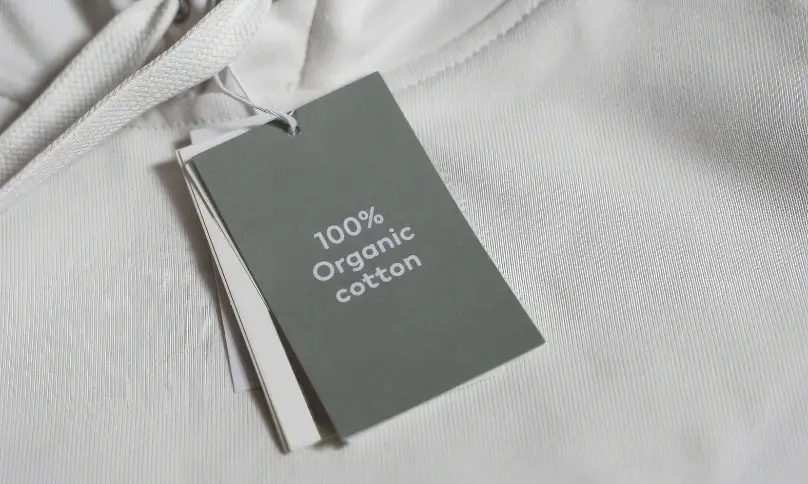
FULL-SERVICE PRIVATE LABEL MANUFACTURING
Full-service manufacturers manage the entire production process, including design, fabric sourcing, manufacturing, quality control, and packaging. This approach simplifies operations and ensures consistency at every stage. Furthermore, brands can focus on marketing and expansion while experts handle production. As a result, companies improve efficiency and accelerate time to market.
BEST FOR
Brands that want a complete, hassle-free production solution and plan to scale globally.
DESIGN-FOCUSED PRIVATE LABEL MANUFACTURING
Design-focused manufacturers specialize in product development and creative support. They help brands create trend-driven collections that align with consumer preferences in international markets. Moreover, strong design capabilities enable brands to stand out in competitive fashion segments. As a result, businesses can build a unique identity and attract premium customers.
BEST FOR
Fashion brands that prioritize creativity, innovation, and strong visual branding.
BULK PRODUCTION PRIVATE LABEL
Bulk production manufacturers focus on large-scale garment production to reduce costs and increase efficiency. They use advanced systems to maintain consistency across high-volume orders. Therefore, brands can meet large market demand while optimizing production expenses. In addition, bulk manufacturing supports global distribution strategies.
BEST FOR
Established brands that require high-volume production and cost efficiency.
SMALL-BATCH PRIVATE LABEL MANUFACTURING
Small-batch production allows brands to manufacture limited quantities and test new designs in the market. This approach reduces financial risk and supports product experimentation. Moreover, brands can gather customer feedback and refine products before scaling production. As a result, businesses improve decision-making and minimize inventory losses.
BEST FOR
Startups and emerging brands that want flexibility and market validation.
PRIVATE LABEL DROPSHIPPING
Private label dropshipping allows brands to sell products without holding inventory. Manufacturers produce and ship products directly to customers, which simplifies operations and reduces upfront costs. Furthermore, this model supports e-commerce growth and global reach. As a result, brands can focus on digital marketing and customer experience.
BEST FOR
Online brands and e-commerce businesses that want low-risk expansion.
CUSTOM DEVELOPMENT PRIVATE LABEL
Custom development manufacturers create highly specialized and unique apparel products. They work closely with brands to develop innovative designs and advanced features. Moreover, this approach allows companies to deliver premium products that stand out in competitive markets. As a result, brands can target high-value customers and build strong differentiation.
BEST FOR
Brands that focus on innovation, premium quality, and exclusive product lines.
OVERCOMING CHALLENGES IN PRIVATE LABEL BRANDING
Private label manufacturing offers significant advantages; however, brands must address key challenges to succeed globally. These challenges include maintaining consistent quality, managing supply chains, and ensuring clear communication with manufacturers. Therefore, businesses should choose reliable partners and implement strong quality control systems. Moreover, transparent communication helps prevent production errors and delays. As a result, brands can maintain product consistency and build long-term trust in international markets. In addition, adopting a structured production strategy improves efficiency and reduces operational risks. Consequently, companies can scale confidently and achieve sustainable growth worldwide.
QUALITY CONTROL CHALLENGES IN PRIVATE LABEL MANUFACTURING
Maintaining consistent product quality remains a critical priority for global apparel brands. Therefore, companies must implement strict quality control systems when working with private label clothing manufacturers. Since production involves external partners, even small inconsistencies can affect brand reputation. Moreover, brands that focus on quality assurance build stronger customer trust and reduce return rates. As a result, businesses can improve long-term profitability and brand positioning in competitive international markets.
Solution: Work with manufacturers that follow structured quality management systems. In addition, conduct regular inspections, request pre-production samples, and implement third-party audits. This approach ensures consistent quality across all production batches.
COMMUNICATION BARRIERS IN GLOBAL MANUFACTURING
Clear communication drives successful collaboration in international apparel production. However, language differences, time zones, and cultural variations often create misunderstandings. Therefore, brands must establish clear communication frameworks from the beginning. Moreover, consistent updates and transparent discussions help prevent production errors and delays. As a result, businesses can maintain smooth operations and meet delivery timelines.
Solution: Use detailed tech packs, visual references, and standardized documentation. In addition, schedule regular meetings and assign dedicated points of contact to ensure alignment throughout the production process.
PROTECTING INTELLECTUAL PROPERTY
Protecting design ownership and brand identity plays a vital role in private label manufacturing. Without proper safeguards, businesses risk losing control over proprietary designs and product concepts. Furthermore, strong intellectual property protection supports long-term brand growth and innovation. Therefore, companies must take proactive steps to secure their assets when working with external partners.
Solution: Sign non-disclosure agreements (NDAs) and legally binding contracts before starting production. In addition, partner with reputable manufacturers that demonstrate transparency and ethical practices.
INVENTORY MANAGEMENT AND DEMAND PLANNING
Efficient inventory management ensures smooth supply chain operations and prevents financial losses. However, inaccurate demand forecasting often leads to overstocking or stock shortages. As a result, brands must adopt data-driven planning strategies to balance supply and demand. Moreover, flexible production options allow businesses to adjust order volumes based on market trends.
Solution: Use advanced forecasting tools and analyze historical sales data. In addition, collaborate with manufacturers that offer scalable production capabilities.
REDUCING LONG LEAD TIMES
Long production timelines can limit a brand’s ability to respond to market trends. Therefore, reducing lead times becomes essential for maintaining competitiveness in global markets. Moreover, faster production cycles allow brands to launch new collections quickly and capture emerging trends. As a result, businesses can improve market responsiveness and increase sales opportunities.
Solution: Partner with manufacturers that offer efficient production workflows and reliable supply chains. In addition, plan production schedules in advance and maintain buffer time for unexpected delays.
ENSURING BRAND CONSISTENCY
Consistent branding strengthens recognition and builds customer loyalty. However, inconsistencies in product quality, labeling, or packaging can weaken brand identity. Therefore, brands must maintain strict control over branding elements across all products. Moreover, consistent presentation improves perceived value and enhances customer experience.
Solution: Provide detailed branding guidelines, including label placement, packaging standards, and design specifications. In addition, review production samples regularly to ensure consistency.
OVERCOMING MARKET RESEARCH LIMITATIONS
Accurate market research helps brands understand customer preferences and global fashion trends. However, limited insights can lead to poor product decisions and reduced competitiveness. Therefore, businesses must invest in data-driven research and trend analysis. Moreover, understanding regional preferences allows brands to tailor products for specific international markets.
Solution: Use global market research tools, analyze competitor strategies, and collect customer feedback. As a result, brands can make informed decisions and improve product-market fit.
Conclusion
Private label manufacturing offers powerful opportunities for brands to scale globally. However, success depends on strategic planning, strong communication, and reliable partnerships. Moreover, businesses that focus on quality control, efficient operations, and market insights can achieve sustainable growth. As a result, brands can strengthen their competitive position and expand successfully across international markets. Therefore, companies should adopt a structured approach to private label manufacturing and continuously optimize their processes to stay ahead in the global fashion industry.
Frequently Asked Questions
Private label clothing manufacturing allows brands to produce apparel through third-party manufacturers and sell it under their own brand name. This model enables businesses to create customized products without managing production facilities.
A manufacturer produces apparel for multiple brands using its own production facilities and processes. In contrast, private label allows a brand to sell those products under its own name and identity.
Therefore, businesses that choose private label gain full control over branding, pricing, and product positioning. Moreover, this model helps companies build a unique market presence without investing in manufacturing infrastructure. As a result, brands can focus on marketing, customer experience, and global expansion while relying on expert manufacturers for production.
Many global fashion brands use private label strategies to create exclusive product lines. For example, retailers develop custom apparel collections through third-party manufacturers and sell them under their own brand name.
In addition, e-commerce brands often use private label production to launch unique clothing lines tailored to specific customer segments. As a result, businesses can differentiate their offerings, respond quickly to market trends, and scale efficiently across international markets.
A private label brand allows a business to sell products under its own name while a third-party manufacturer handles production. This model helps fashion brands create exclusive product lines without investing in factories or large-scale production facilities.
Moreover, private label branding gives companies full control over design, pricing, and brand positioning. As a result, businesses can build a strong identity and stand out in competitive international markets. In addition, brands can quickly adapt to changing fashion trends and customer preferences by working closely with experienced manufacturers.
Therefore, private label branding offers a scalable and cost-effective solution for companies that want to expand globally and maintain consistent product quality.
Share THis Post on social media
Facebook
LinkedIn
X
WhatsApp
Telegram
Email
Reddit
Pinterest
Tumblr

Custom Clothing Manufcaturer
- Unmatched comfort & durability
- Sustainable production process
- Customizable designs and logos
Most Recent Posts

Custom Clothing Manufcaturer
- Unmatched comfort & durability
- Sustainable production process
- Customizable designs and logos